
Where to Go Birding - By Season or By Region
The diverse habitats of the Sacramento region offer a wide variety of birding opportunities. From wetlands, rivers, riparian forest, grasslands, oak woodlands, and chaparral, these areas provide shelter and food for over 350 species of birds, whether they are permanent residents, seasonal visitors, or migrants just passing through. On this page you will find links to information on over 100 regional birding locations. You can explore by season: spring, summer, fall, and winter, or by region: American River Parkway, City of Sacramento, Sacramento County, the Folsom Lake Area, North of Sacramento, Yolo County, San Joaquin County, Solano County, the Foothills and Sierra Nevada. Scroll down to discover all the wonderful birding right on your doorstep.
Browse By Season


Browse by Region



Use the interactive map below!
To use the map below, click on any icon. You’ll find the name and a brief description with a link to additional information. Alternatively, you can click on the square with an arrow in the upper left hand corner of the map to open a complete list of all the locations on this map. The map is easier to use if you enlarge it by clicking on the partial square in the top right portion of the map (hover your cursor over the partial square and it will say “View larger map”).

American River Parkway Recommended Locations

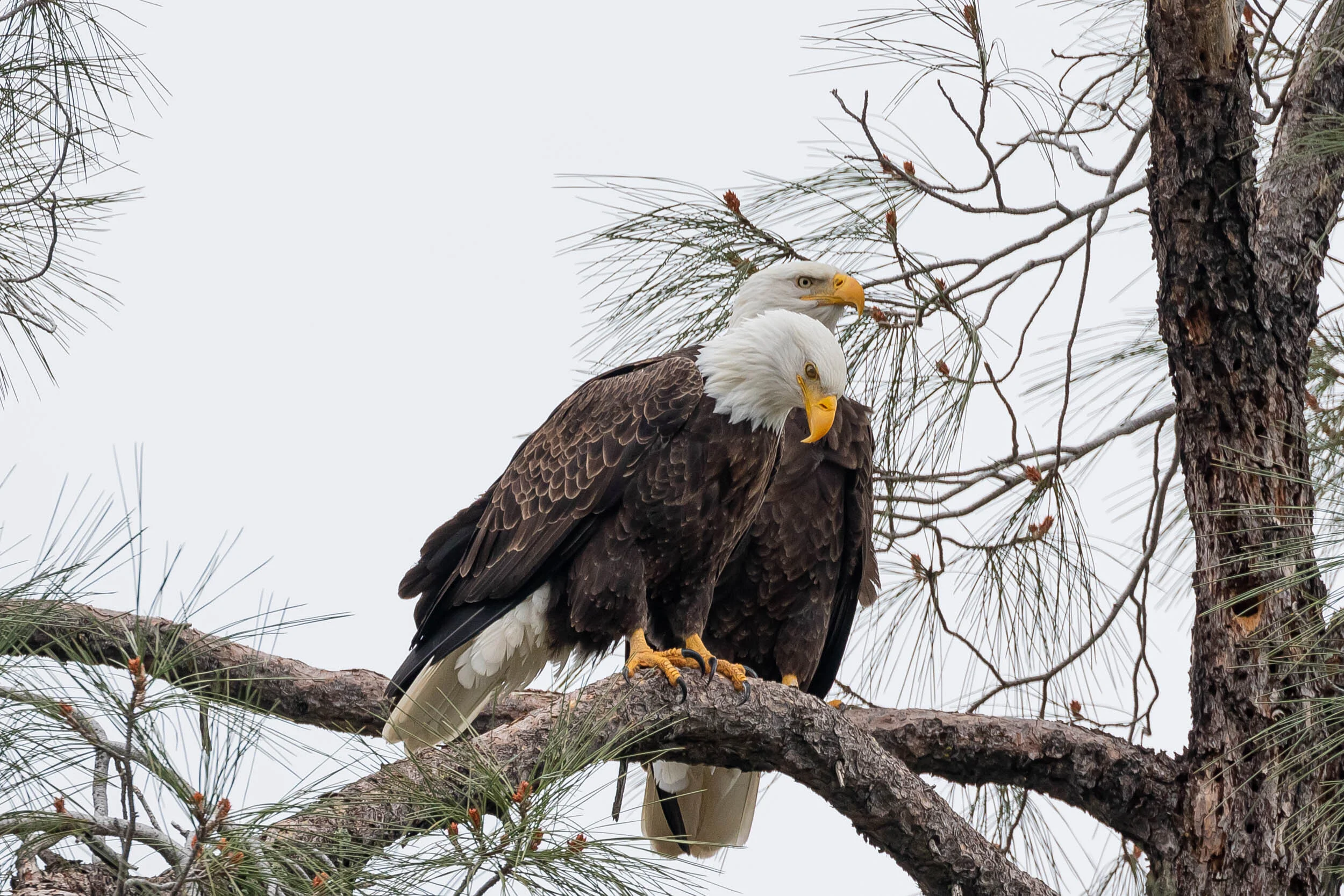
The main Chinook salmon run begins in October, and hundreds of gulls as well as large numbers of Turkey Vultures arrive to feed on the dying fish. This feast may bring in an occasional Bald Eagle. Ospreys are also often seen in winter along with flocks of Common Goldeneye, Common Merganser and the occasional Barrow’s Goldeneye.
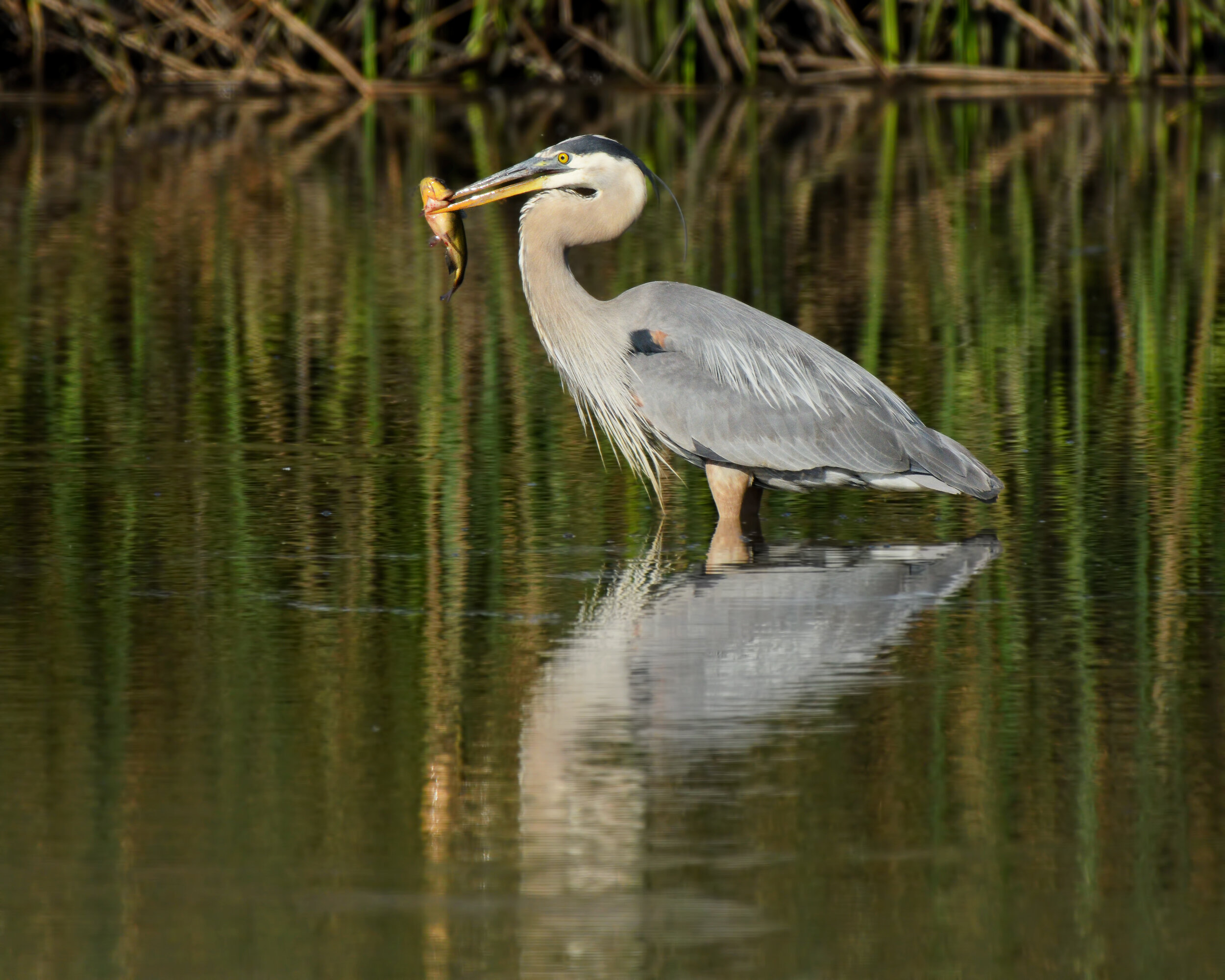
Walk the trails along the river and you may find Spotted Sandpipers, Greater Yellowlegs, Great Blue Herons, and Great Egrets hunting at the water's edge while Wood Ducks and Common Mergansers float along. Black Phoebes, Bushtits, and Acorn Woodpeckers are seen year-round. In the spring and summer, Ash-throated Flycatchers, Western Kingbirds, and Bullock's and Hooded orioles are all possibilities.

In the fall and spring, migrating songbirds such as Townsend’s, Hermit, Nashville, and Wilson’s warblers, as well as Bullock’s Orioles, and Black-headed Grosbeak may be spotted. In winter, California, American Herring, and Ring-billed gulls are the most common species. One might also see less common Glaucous-winged, Iceland, or Short-billed gulls.

This is a large area on the north side of the river across from the Lower Sunrise Area that can easily satisfy a half-day of birding. There is a similar mix of habitats—cottonwood and willow riparian, interior live oak forest, and open areas with gravel tailings—but there is a wider corridor of habitat and numerous trails to get away from the crowds.

Wild Turkeys and black-tailed deer can be seen along the road, while patches of vegetation hold common species such as Anna’s Hummingbird, Bewick’s Wren, and Spotted Towhee. A few large cottonwoods have managed to grow in the otherwise gravelly and hard soil; they have been known to hold raptor nests.

More than 70 acres of riparian woodland adjacent to the Effie Yeaw Nature Center (EYNC) have been preserved as a nature study area within the American River Parkway. Because this birding spot is easy to reach and includes a variety of habitats, it is possible to sight more than 100 species during the course of a year. In the spring, migrating warblers move through the woods. The crowned sparrows return each fall, and winter brings the goldeneyes back to the river.

River Bend Park has a variety of habitats with trails throughout. You can walk along the American River in search of goldeneyes or sandpipers; search the woods for woodpeckers, sparrows, and wrens; or explore the open areas for raptors soaring in the sky and hummingbirds flitting among the bushes.
Known for its diverse habitats, William B. Pond has fast flowing water where riffles and gravel bars are present, sandy riverbanks, riparian woodlands, a nesting rookery, open areas and woodlands edges, plus a wonderful urban park. All these habitats draw in a great variety of birds making it one of the most popular birding locations along the American River Parkway.
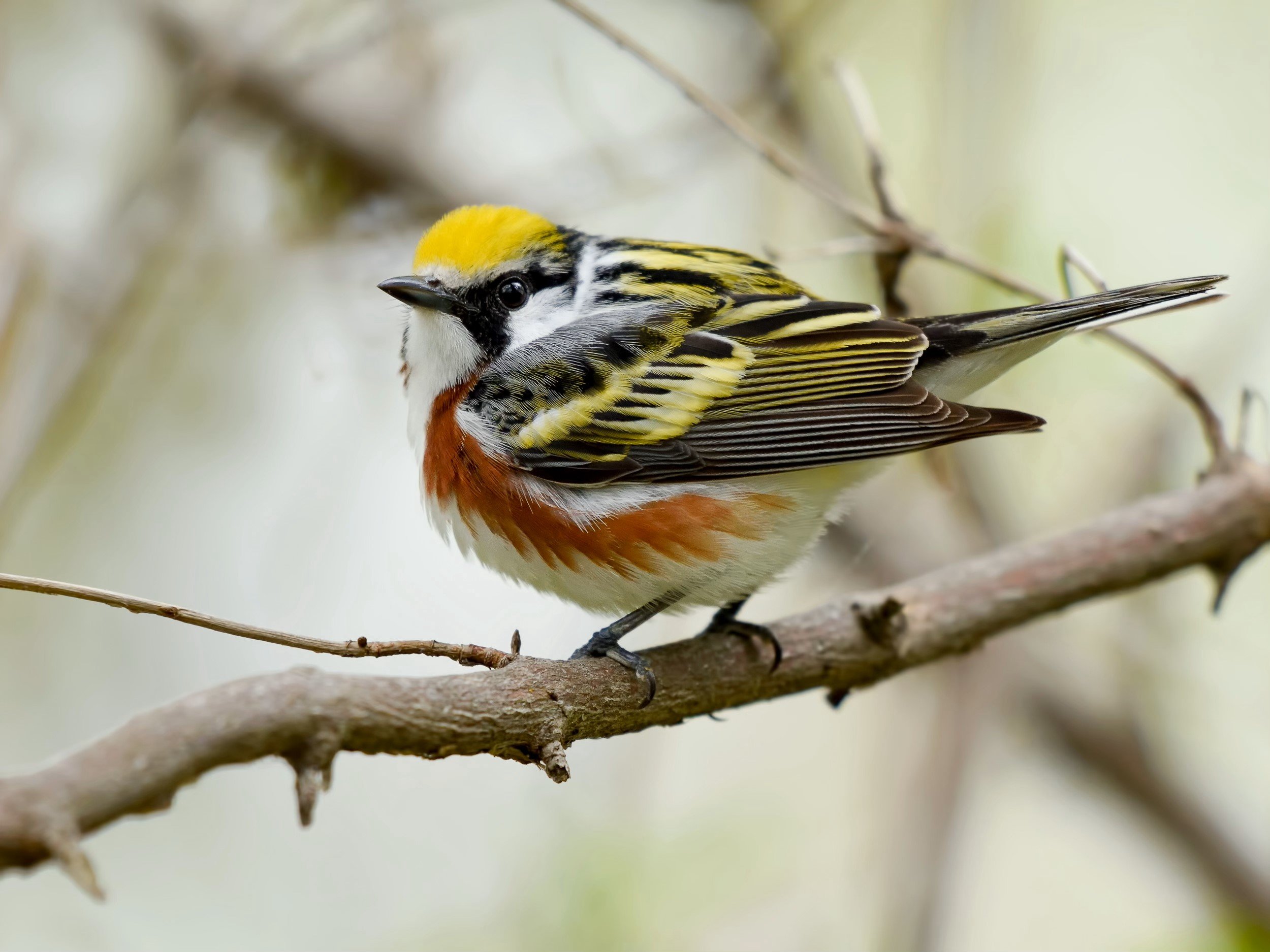
An amazing number of rarities have been found here in the spring and fall: Eastern Wood-Pewee, Red-eyed Vireo, Northern Parula, and Chestnut-sided, Blackburnian, Bay-breasted, Blackpoll, Black-and-white, and Hooded warblers, and Rose-breasted Grosbeak.

Throughout the year informal trails provide access to the riparian forest. In the winter this is a good area for sparrows and wrens. During spring and fall migration, look for warblers, vireos, and flycatchers in the oaks, willows, and cottonwoods.

In spring, look for migrating warblers, vireos, flycatchers, and grosbeaks. In winter, look for Dark-eyed Junco, crowned sparrows, winter warblers, Ruby-crowned Kinglet, Cedar Waxwing, Red-breasted Sapsucker, and Hermit Thrush.
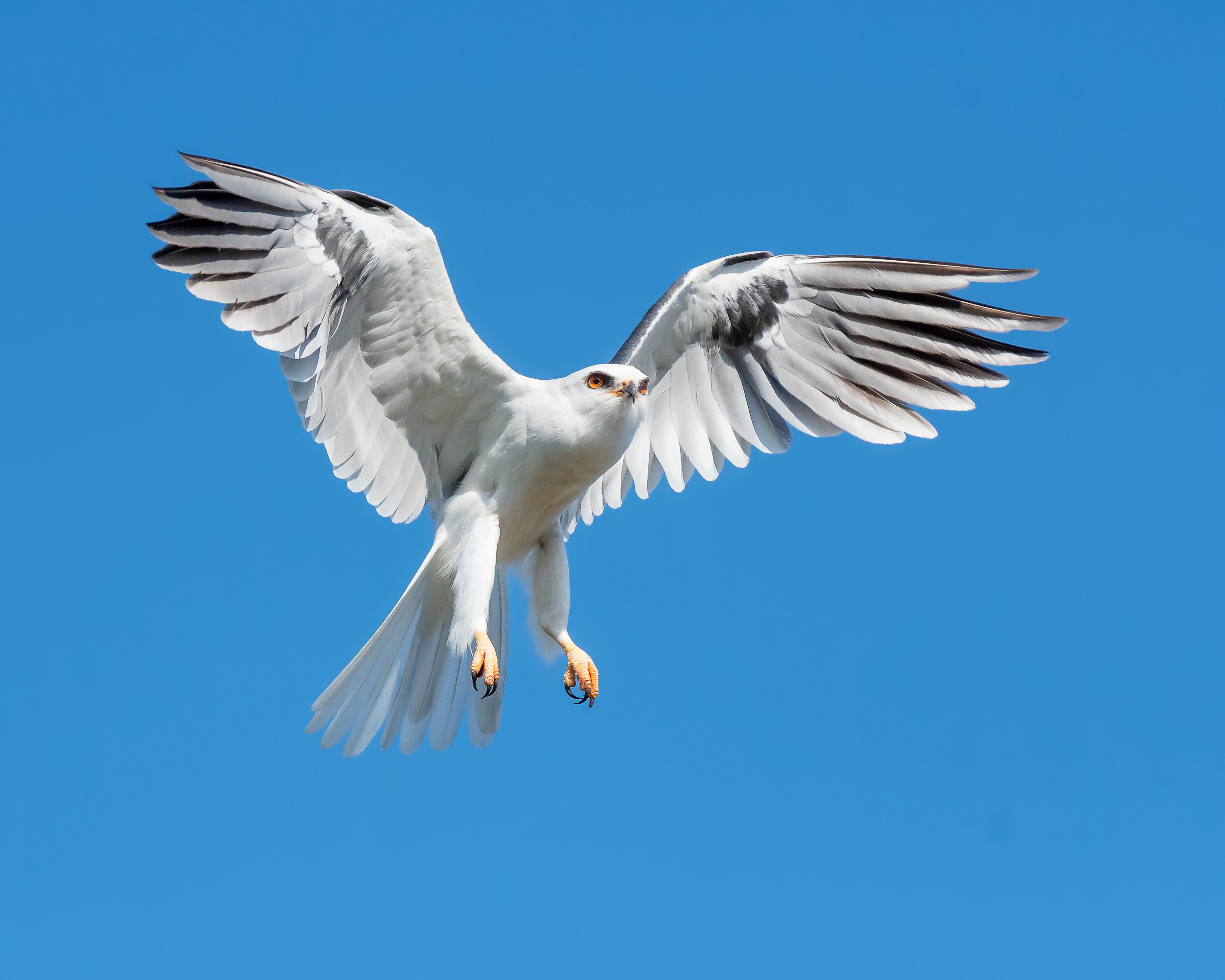
The willow covered sand bars in this area are good for migrants and resident breeding birds, wrens, towhees, and other small passerines. Crossing the levee from the parking lot, you can follow several trails, all leading to the riverfront. Be aware that much of the area is very sandy.

Birding this area can be especially good in the spring and fall because the riparian habitat around the lake, especially willows and cottonwoods, attracts many migrating warblers, vireos, and flycatchers.
City of Sacramento Recommended Locations

The Western subspecies of Purple Martin is uncommon and declining, but the City of Sacramento is host to a few small breeding colonies that have adapted to nesting in “weep holes” under freeway overpasses.

If you have only a few hours to spare for birding on a winter weekend morning, you might want to visit East Lawn Cemetery on Folsom Boulevard in East Sacramento. Filled with winter residents, over the years, Townsend’s Warbler, Black-throated Gray Warbler, and Black-and-white Warbler have been found here in the winter.
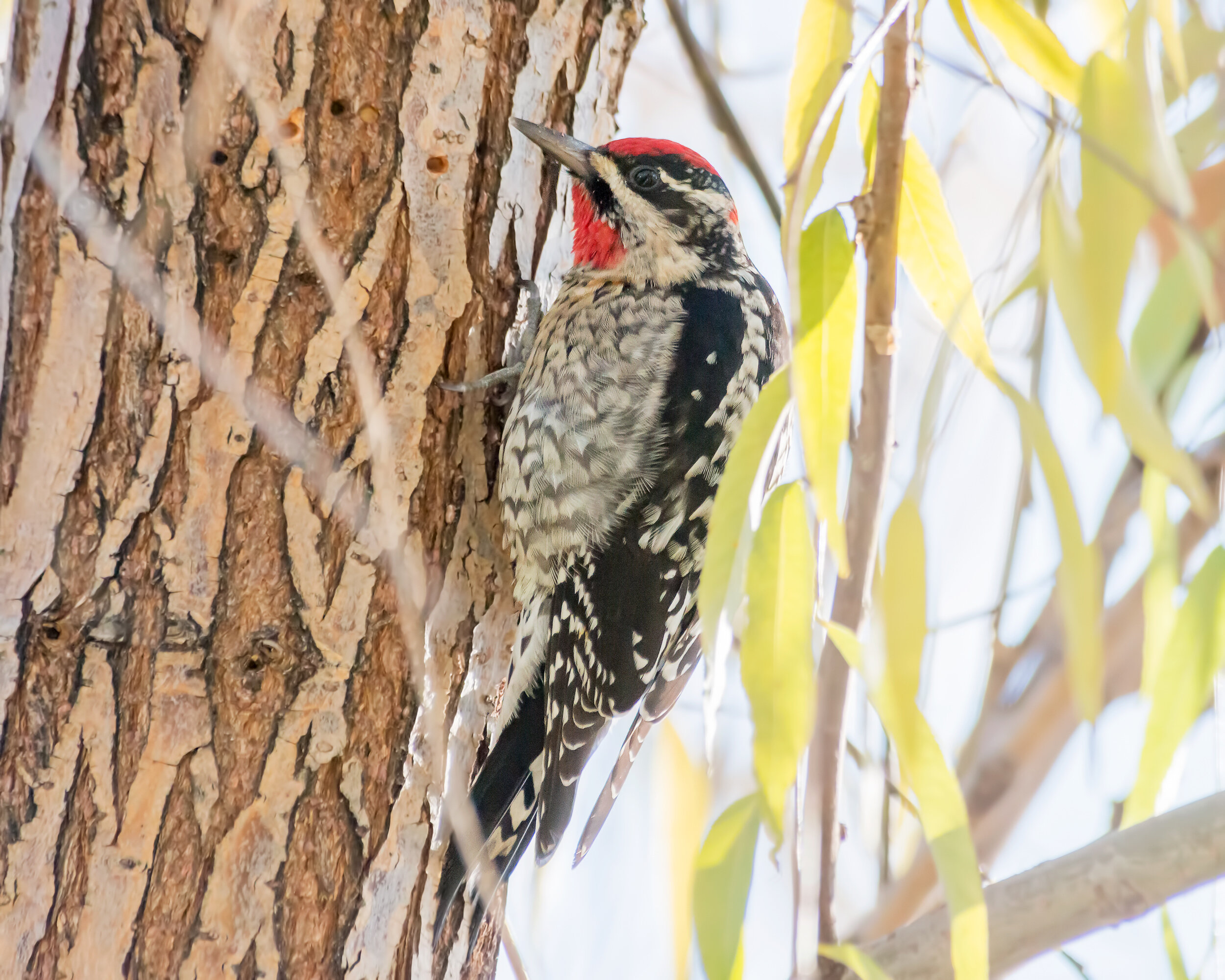
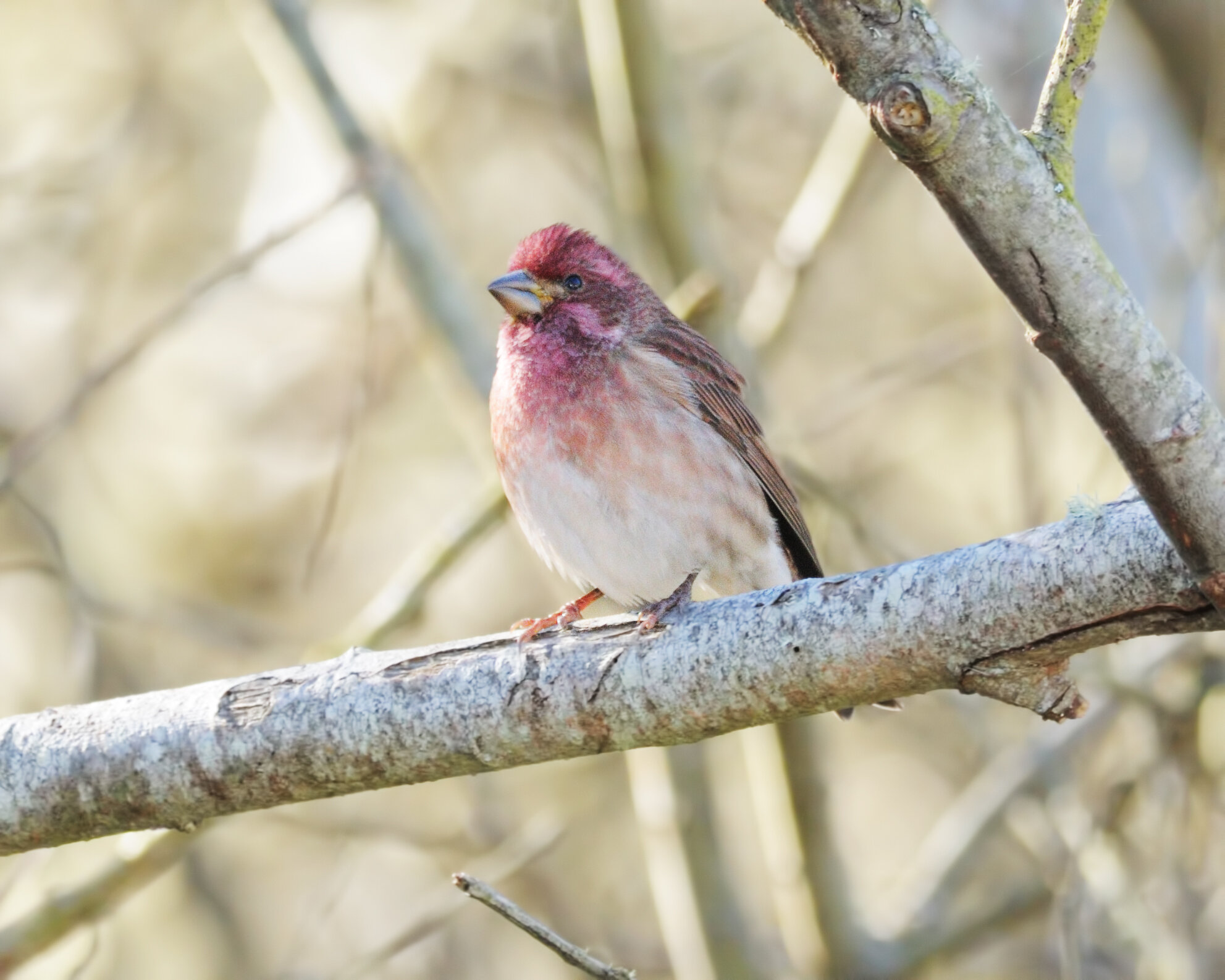
The large conifers and berry-laden shrubs and trees of William Land Park attract winter flocks of American Robin, Cedar Waxwing, Yellow-rumped Warbler, Dark-eyed Junco, and American Goldfinch. This is a good place to look for wintering Varied Thrush (under the redwoods), Red-breasted Nuthatch, Golden-crowned Kinglet, Townsend’s Warbler, Purple Finch and Pine Siskin.
Reichmuth Park, for its size, is one of the great magnets for migrating landbirds in the Sacramento area. Sixteen warbler species have been recorded here, including all of the West Coast species plus Black-and-white Warbler, Northern Parula, American Redstart, Hooded Warbler, and Canada Warbler.
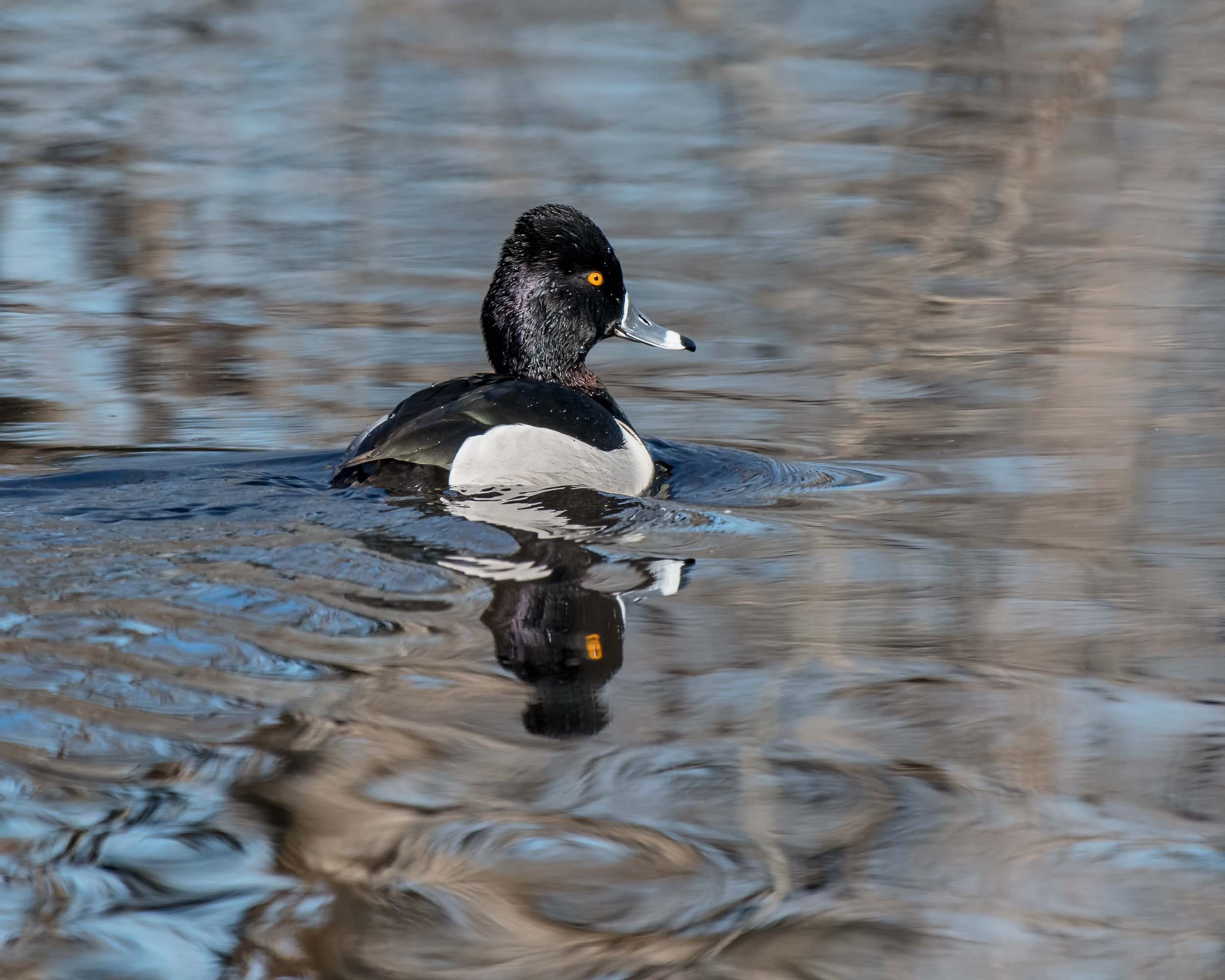
Public access to Greenhaven Lake has diminished to the point where it's no longer a great birding destination, but worth a check if you're in the area. In fall and winter, large flocks of Common Merganser, Ruddy Duck, gulls, Clark’s Grebe, Ring-necked Duck, Lesser Scaup, Canvasback, Bufflehead, Common Goldeneye and other water birds may be found.

Garcia Bend Park is worth a visit in spring and fall to look for migrating landbirds in the riparian growth and Caspian or Forster’s Terns over the river. Marriott Park has large valley oaks that attract migrating warblers, vireos, tanagers and others in spring.
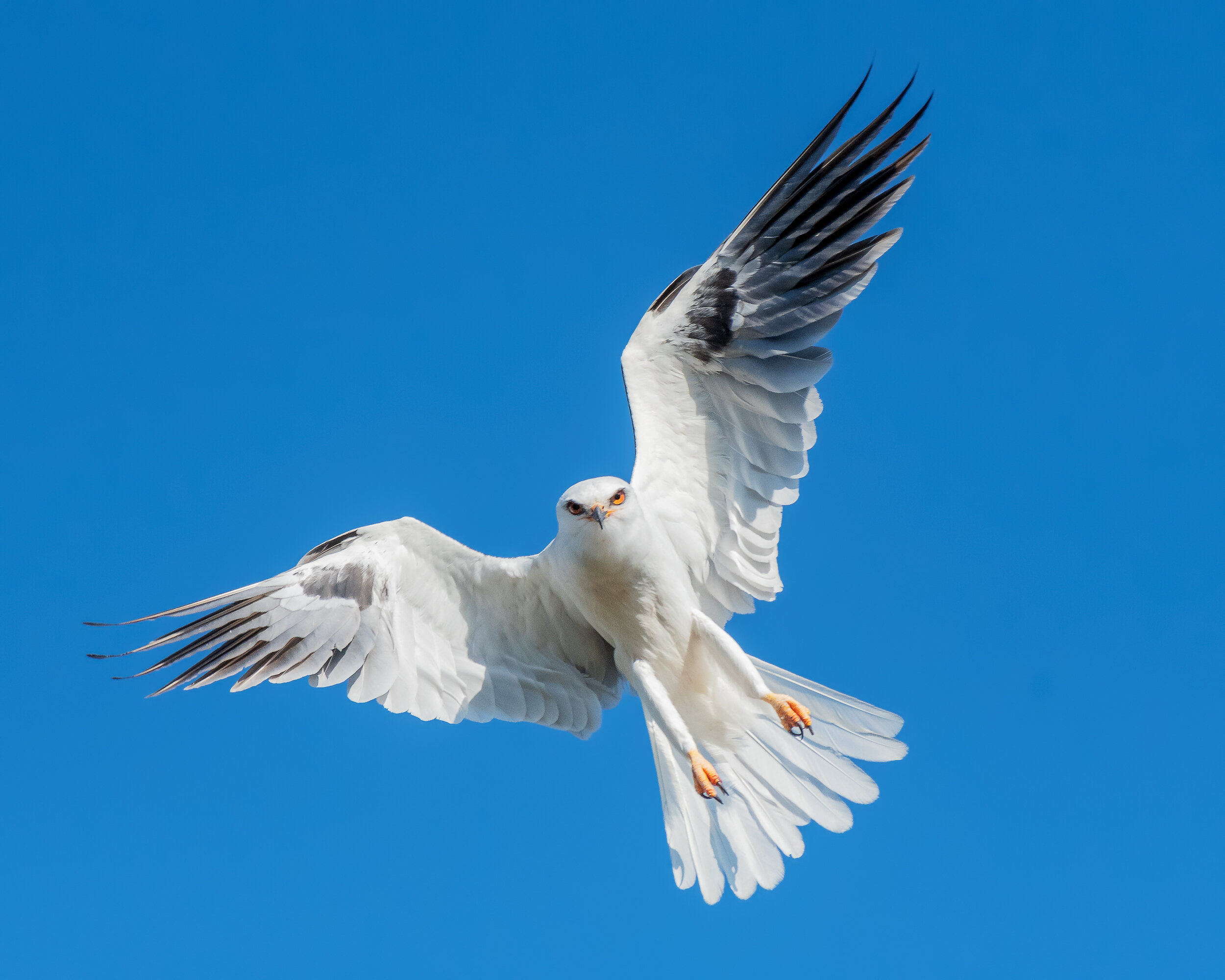
Chorley Park is a small city park that harbors migrating land birds and nesting White-tailed Kite in spring. This area consists of weeds, willows, and cottonwood trees.
Sacramento County Recommended Locations
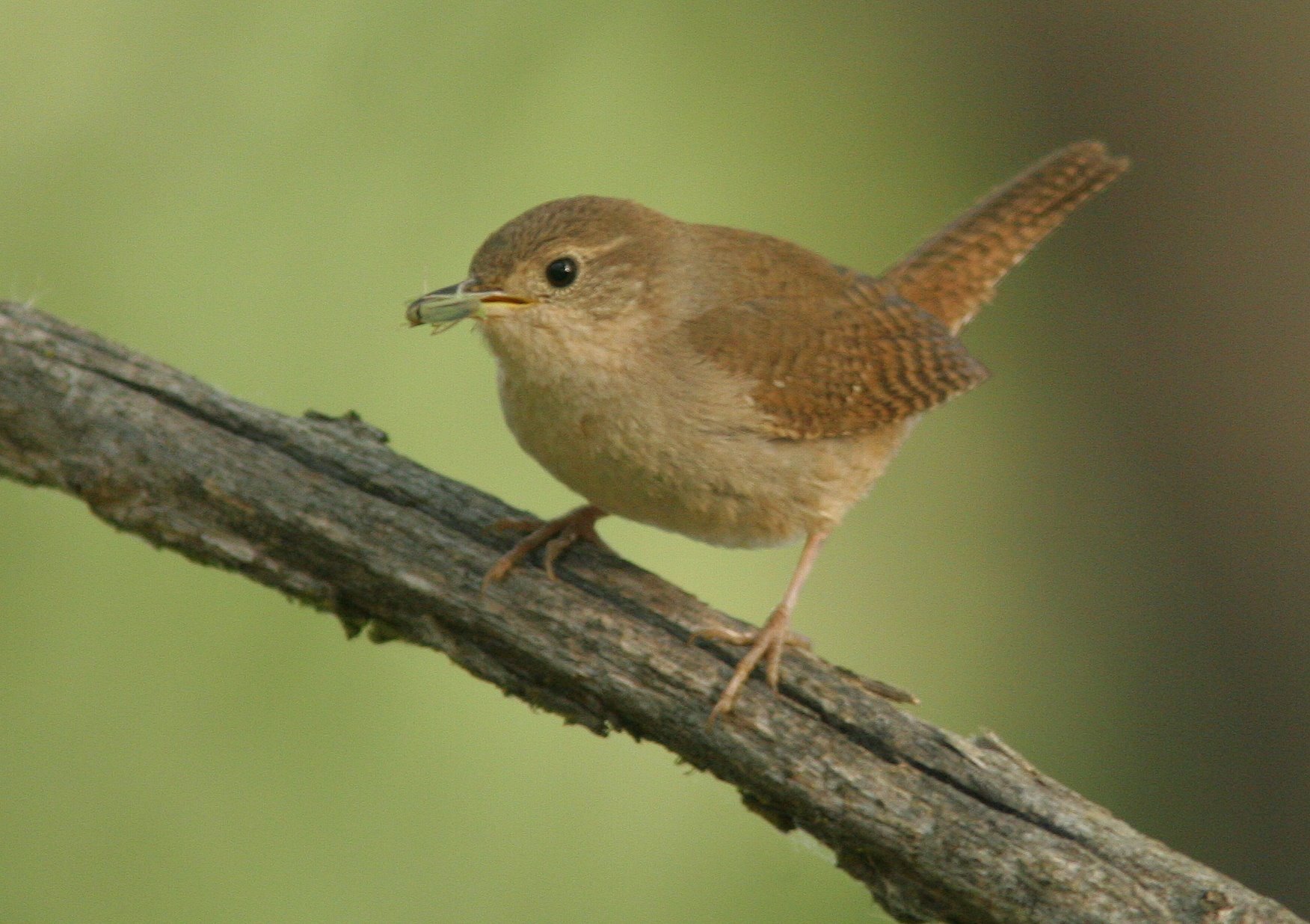
The trail around the park is at its best during spring and fall migration with large numbers of sparrows, warblers, and kinglets in the canopy and on the ground.

If you have never been to Hansen Ranch, you are in for a treat. A leisurely walk on the levee above the pond shows the preserve's many unique qualities. In addition to heron and egret rookeries in the spring, year-round grassland species, and a variety of waterfowl and hawks in the winter, this is excellent habitat for rails which can be heard regularly as you walk along the marsh.
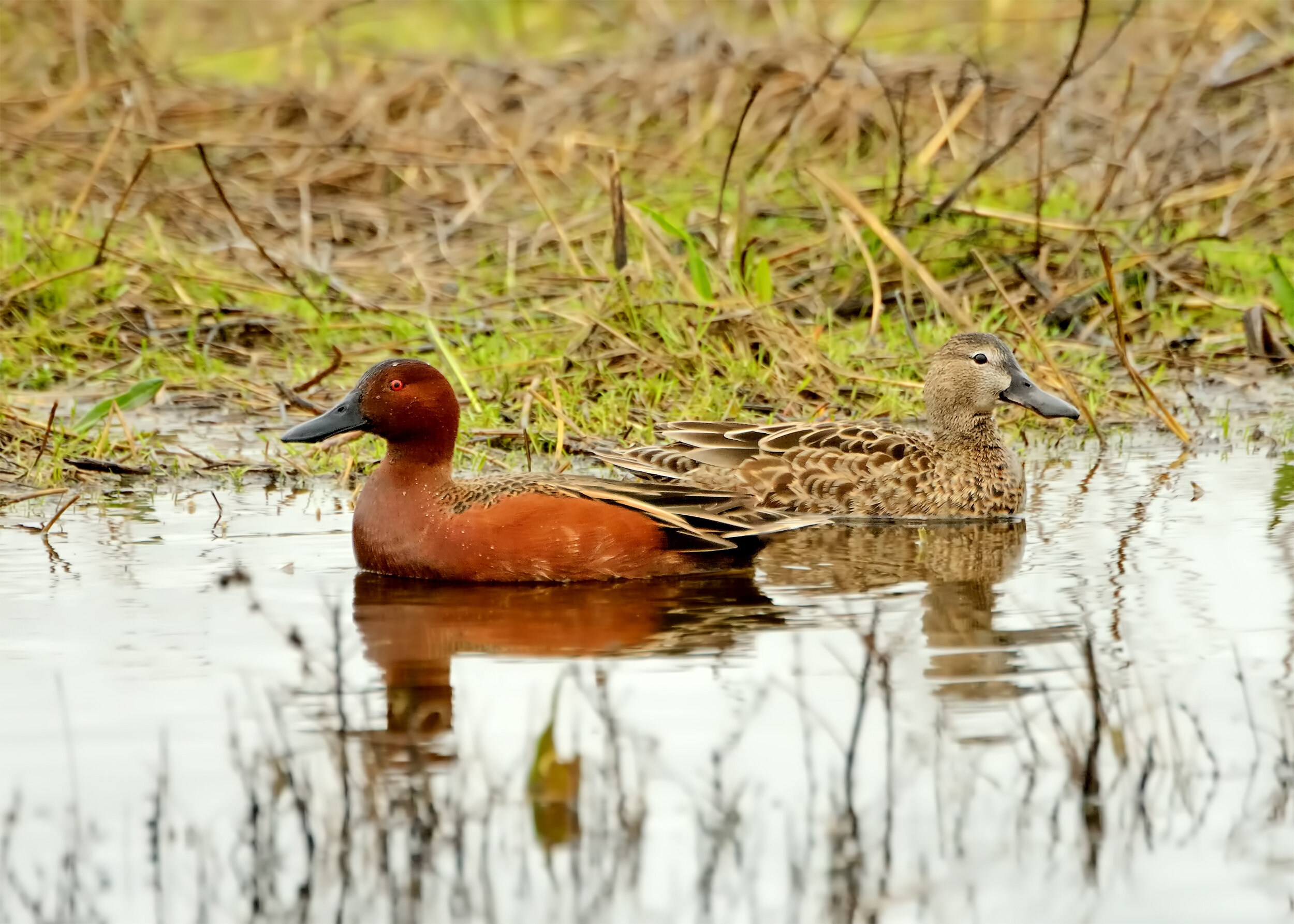
Wolf Ranch has seen a significant increase in bird species and diversity over the years, increasing from 58 species recorded in 2001 to 139 species reported in eBird as of April 2024. The creek is host to egrets, heron, and other wading birds and shorebirds. The restored wetlands in the winter host a variety of waterfowl. Throughout hawks, kestrel and shrike have been known to dot the telephone poles and fence posts.

Tanzanite Park is a good place for a leisurely walk where a wide variety of grassland species are possible. In winter, several species of raptors, including falcons, may also be observed along with herons, egrets, waterfowl, and shorebirds.
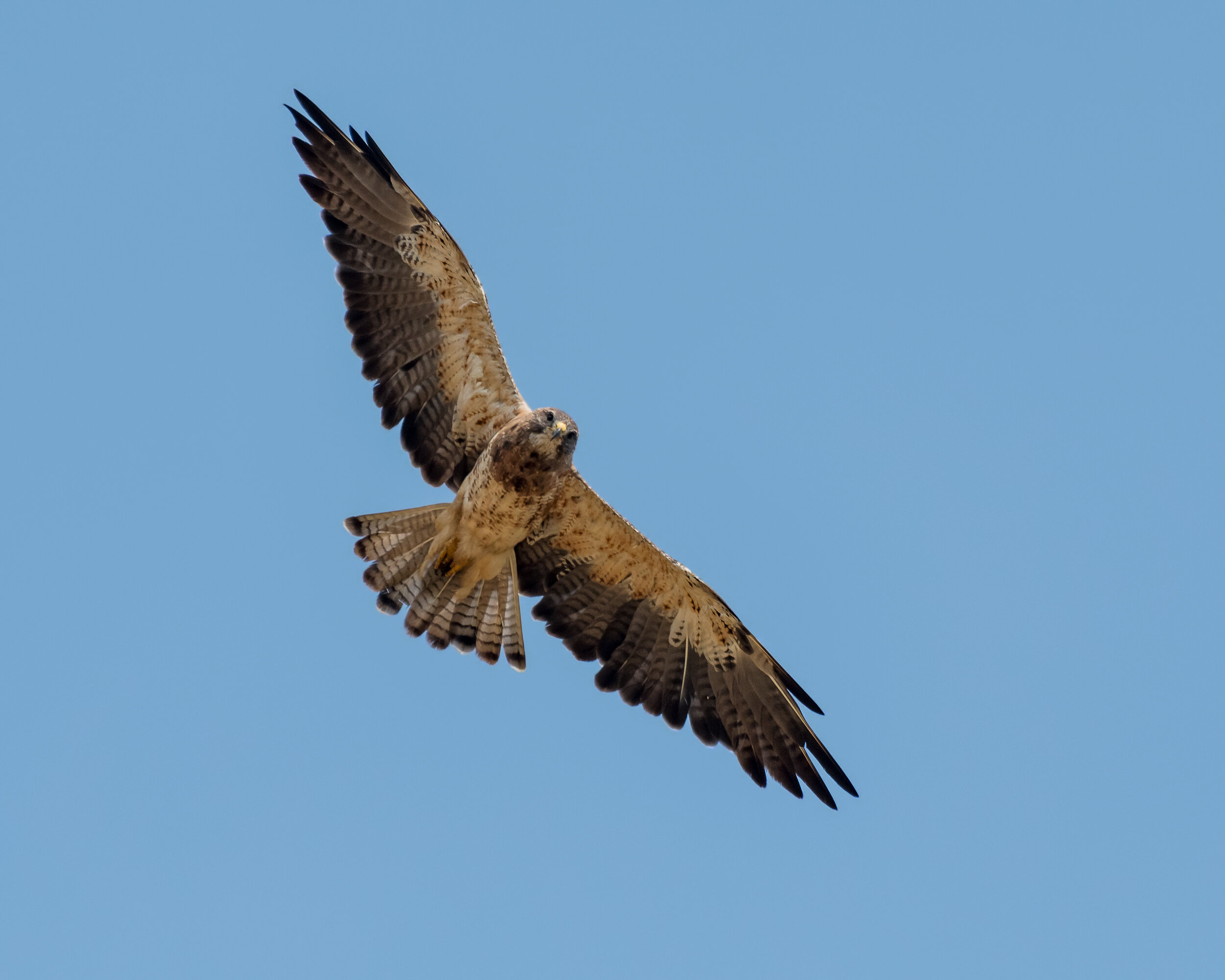
Because of its varied habitat, a large variety of birds may be seen in North Natomas. Hawks and blackbirds inhabit the grasslands. In the right season shorebirds, ducks, geese, and swans fill the rice fields. Riparian areas are rife with titmice and woodpeckers year-round and migrant warblers in spring and fall.

Stone Lakes National Wildlife Refuge south of Sacramento is beautifully designed for families with small children and those with mobility challenges as it offers a wide level cement trail that loops through the Refuge.

The Bufferlands is an island of open space between South Sacramento and Elk Grove. Currently there is no unguided public access, but information on the numerous public tours can be found on the Bufferlands Event Calendar. Bird-focused tours are also offered on occasion with the Sacramento Audubon Society, check out our Calendar of Events for upcoming tours.
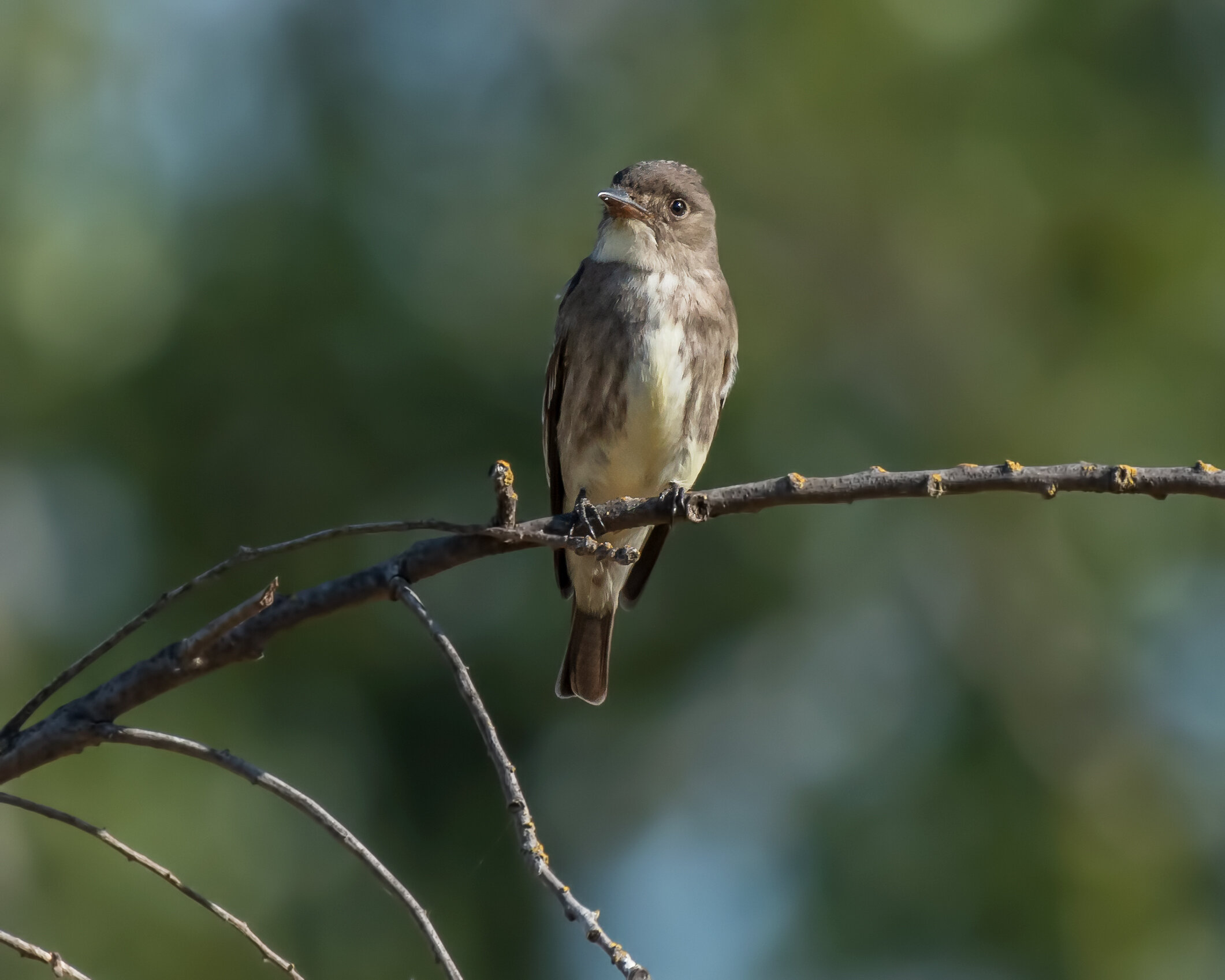
Situated between housing on the north and south, this trail meanders along the creek and marshy areas and is bordered by urban plantings including many oaks. The diversity hosts a nice variety of birds such as ducks, herons, sparrows, and other passerines, with unexpected species always a possibility.

The more than 45,000 acres around the Cosumnes River that make up the Cosumnes River Preserve have been designated as a Globally Important Bird Area with more than 300 species recorded.

The Rancho Seco Recreational Area consists of a reservoir lined with riparian vegetation and a campground and day use area with planted trees and lawn. It has the potential to serve as a migrant trap, since the surrounding habitat is open grassland. It also provides the only public access to the Howard Ranch—a 12,000-acre preserve of grasslands, vernal pools, and oak woodlands.

This seldom visited portion of Sacramento County, including Sherman Island and Brannan Island, has enormous potential. There can be thousands of waterfowl, and many raptors, shorebirds, sparrows, and blackbirds (including Yellow-headed and Tricolored) with a diversity of rarities showing up over the years.

Mather Regional Park is a 64-acre lake surrounded by 158 acres of riparian habitat, upland scrub, seasonal wetland and annual grassland. With just under 200 species recorded at this site, it is a year-round favorite among local birders.
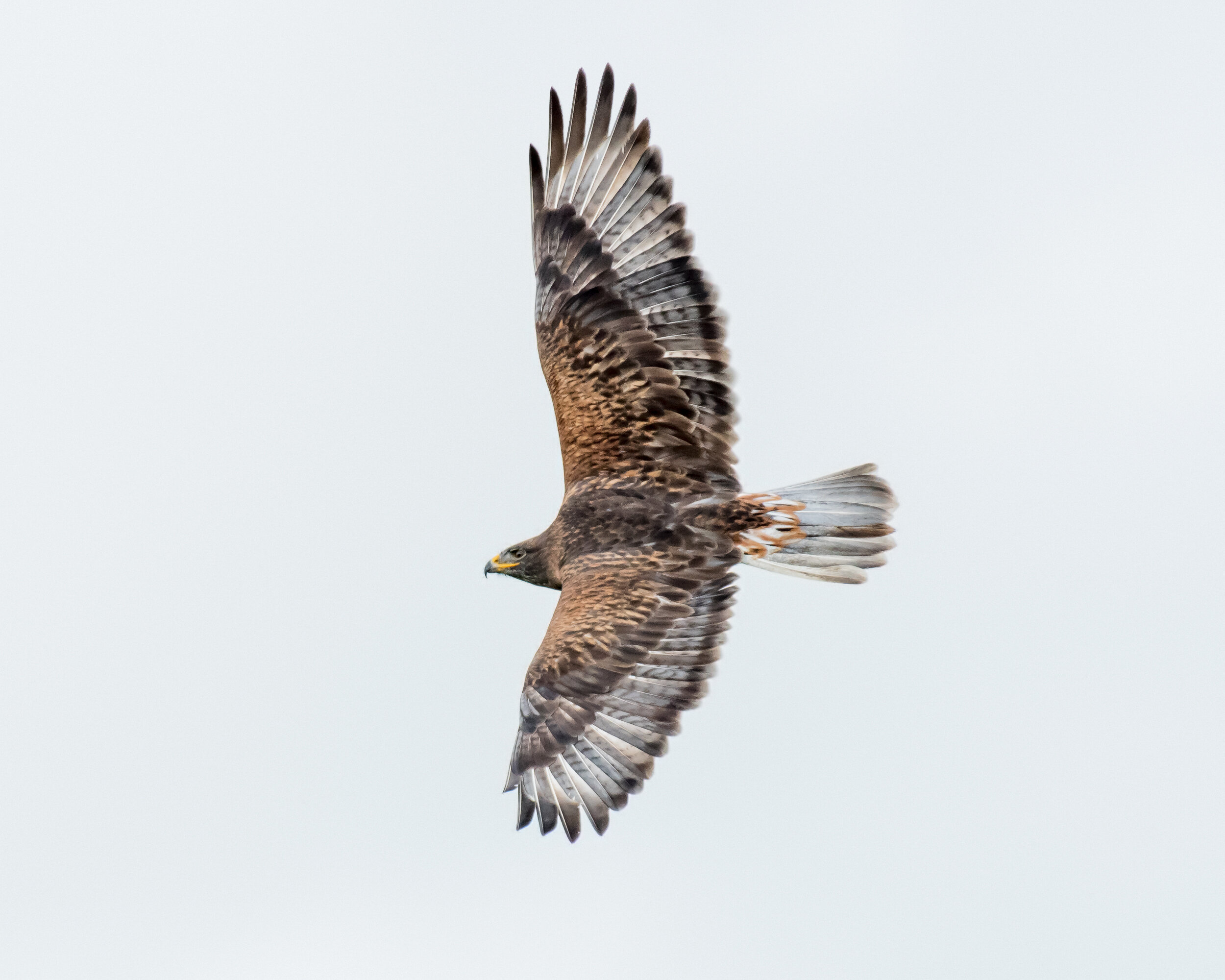
Vast grassland expanses and rolling hills provide excellent opportunities to look for Ferruginous Hawks, Prairie Falcons, and other winter raptors. Payen Road has few cars and allows a leisurely visit.

This area is primarily open grasslands interspersed with oaks hosting a wonderful variety of passerines and raptors. The area is of particular interest from the first fall rains until the water dries up (normally in June).
With a mix of blue oak woodland, savanna, and expansive grasslands, a trip along Latrobe Road has a diversity of habitats and a real sense of remoteness.Typical foothill species such as Western Bluebirds, Lark Sparrows, and Lesser Goldfinches abound. Less commonly, you may encounter a Phainopepla and Lawrence’s Goldfinches. This area is under-birded and has a lot of potential.
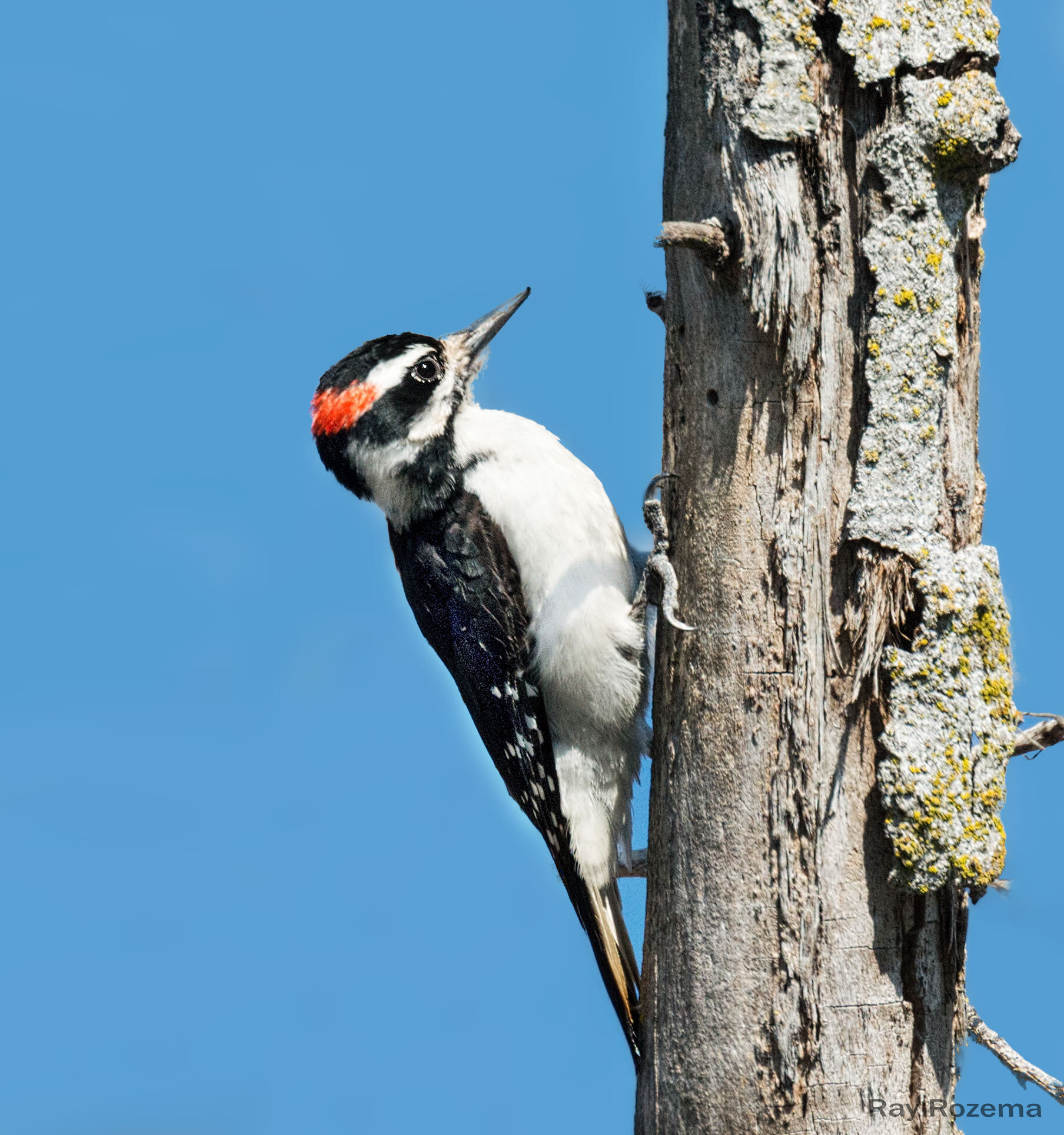
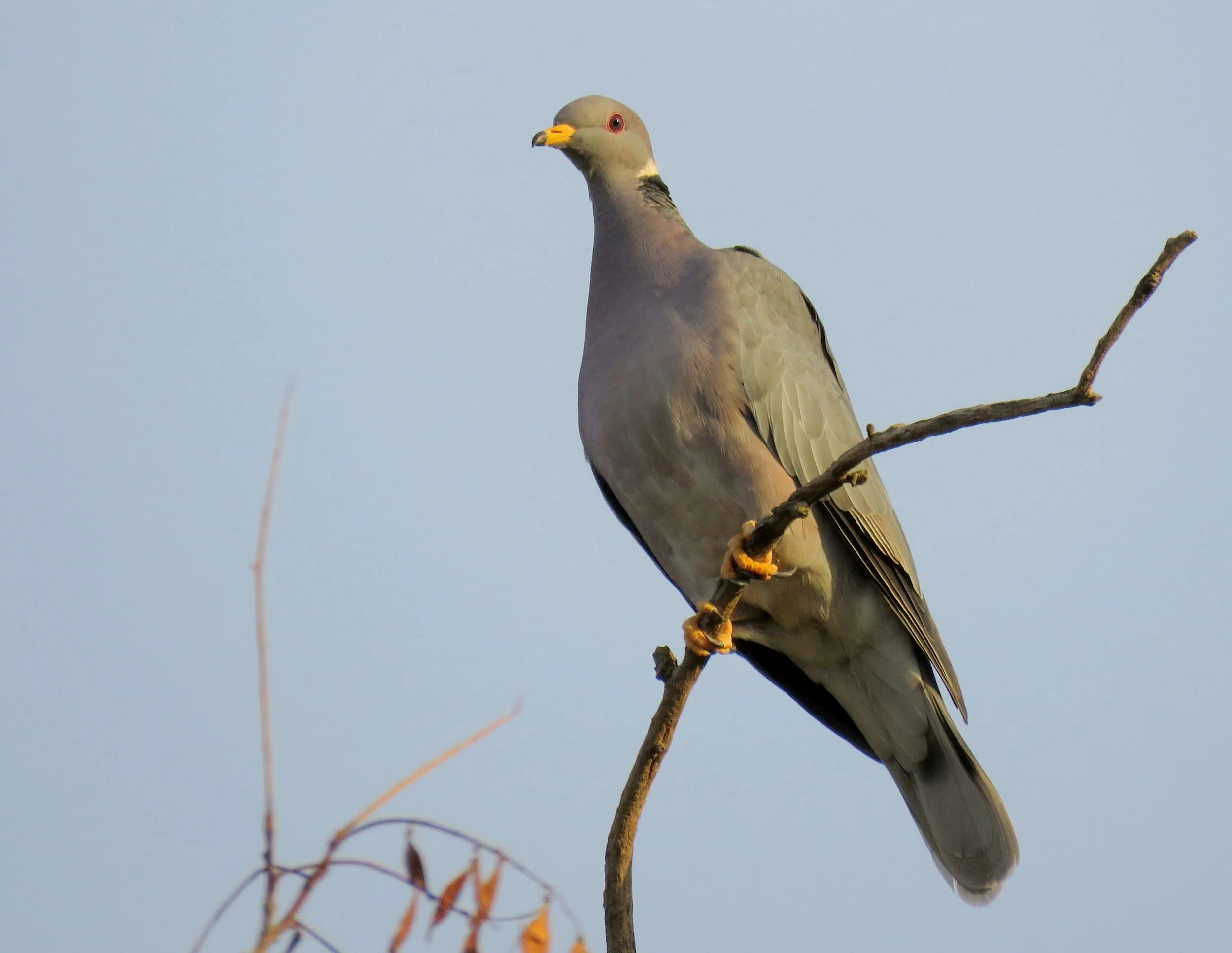
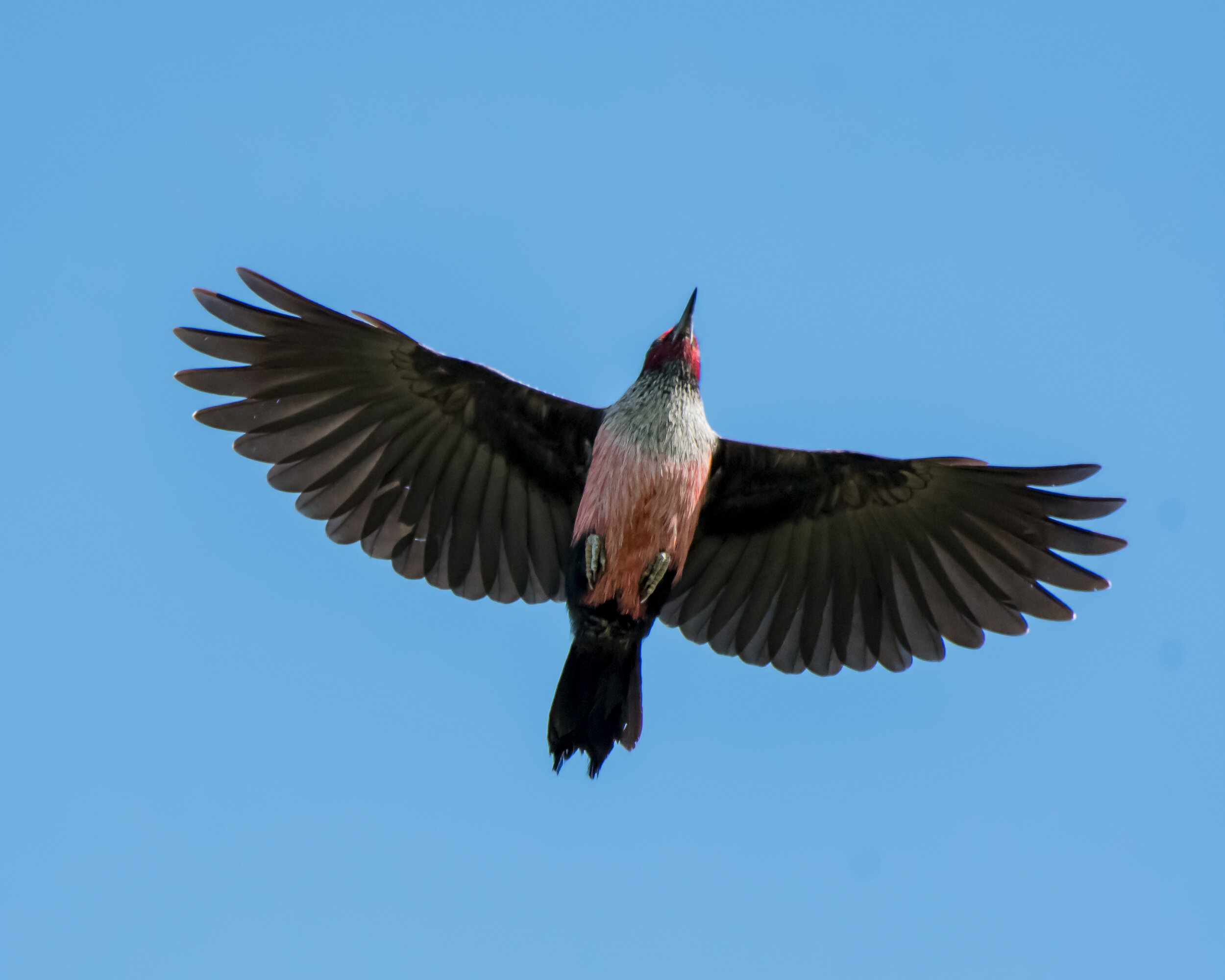
Michigan Bar Road is another location where the possibility of less common species is the draw, with Hairy Woodpeckers, Steller’s Jays, Band-tailed Pigeons, American Dippers, and Lawrence’s Goldfinches all rare but possible.

An open country gem, a drive along Meiss Road can produce winter raptors and a variety of passerines. In spring and summer, this area has been fairly reliable for Lesser Nighthawks and Grasshopper Sparrows.
Yolo County Recommended Locations
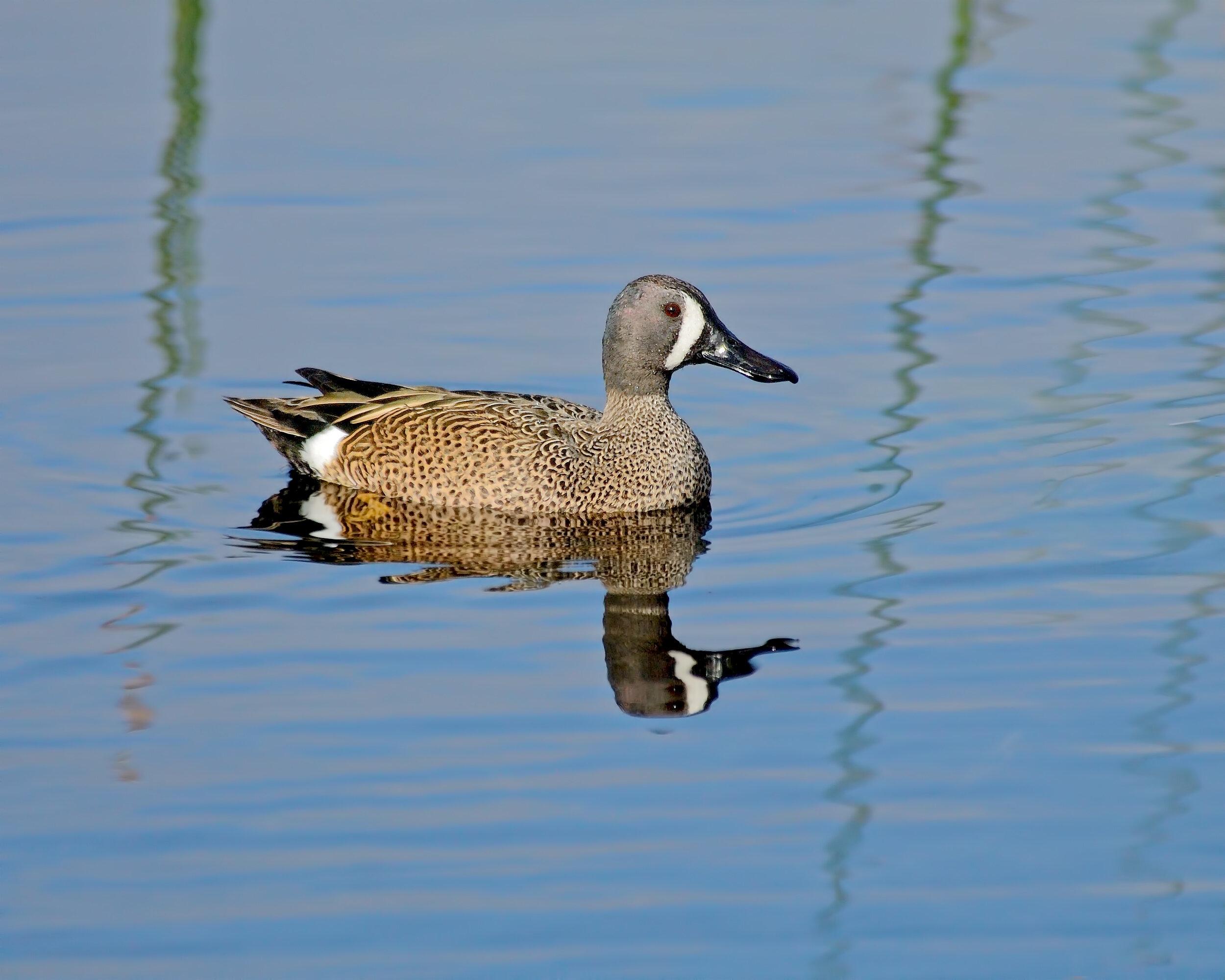
This year-round pond in West Sacramento near the eastern edge of the Yolo Causeway is one of the best places in California to see Blue-winged Teal each fall and winter. Additionally year-round resident Black-necked Stilts and American Avocets breed here in the spring.

This Global-Priority Level Important Bird Area now contains more than 25,000 acres and is just minutes from downtown Sacramento. Both seasonal and permanent wetlands are present as well as riparian woodland and valley grassland, providing habitat for a large variety of birds.

These two sites just west of the Sacramento River make for an excellent morning of birding in the spring and fall. When there is a good pulse of migrants, the woods can be hopping with warblers and other songbirds.

The University of California, Davis Arboretum has produced excellent rarities (notably Scissor-tailed Flycatcher and Red Crossbills) in addition to Red-breasted Nuthatches and Chestnut-backed Chickadees in the appropriate season as well as a rookery of Black-crowned Night Herons, Snowy Egrets, and Western Cattle Egrets.
This vital remnant of riparian habitat has become a haven for warblers, flycatchers and other migrating passerines in the spring and fall.
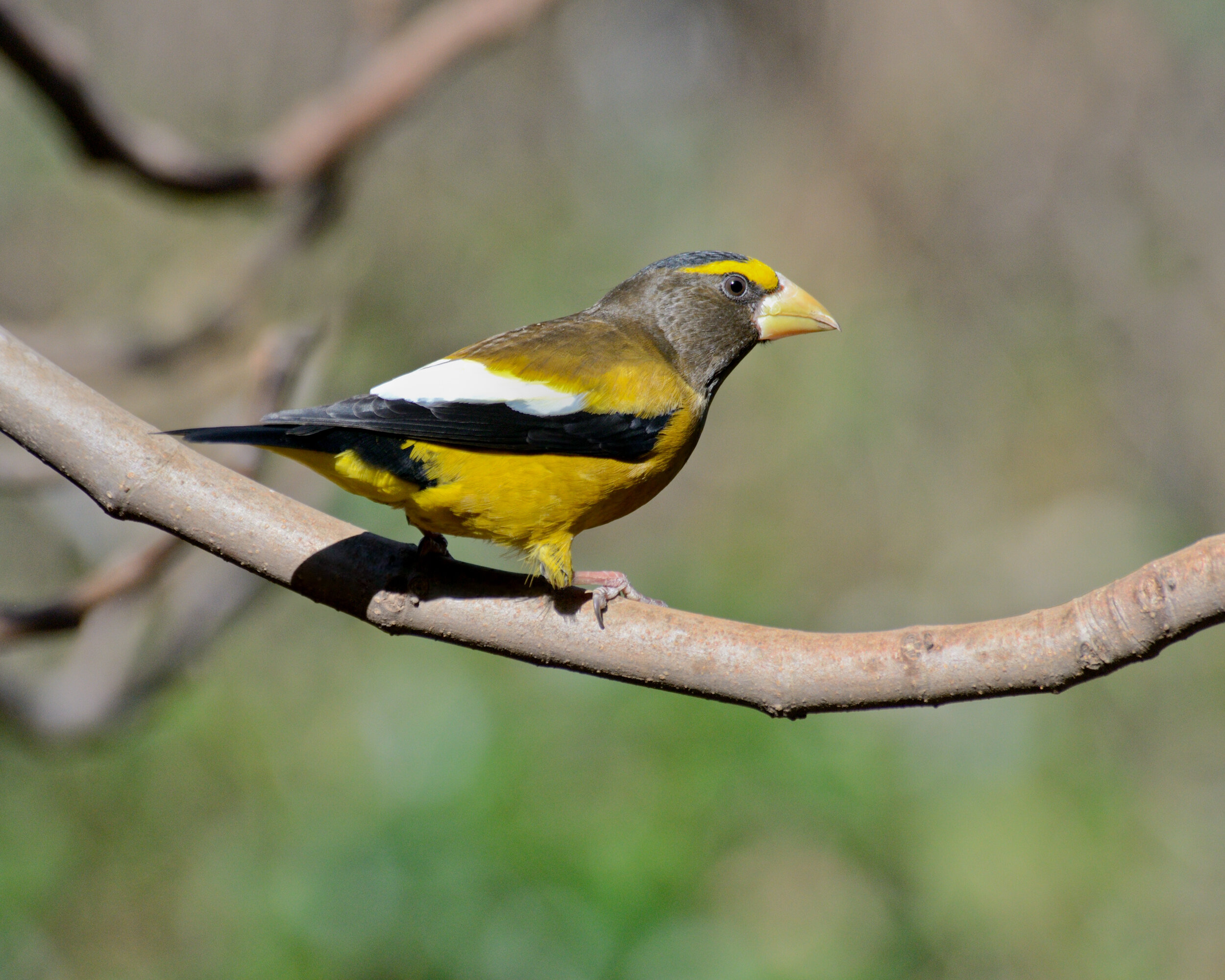
Slide Hill Park has produced numerous interesting finds, including Mountain Chickadee, Cassin’s Finch, Red Crossbill, and Evening Grosbeak.

When conditions are right at North Davis Ponds shorebirds can allow very close study. It is a good place to look for Short-billed Dowitchers among the common Long-billed Dowitchers and Lesser Yellowlegs among the Greater Yellowlegs.
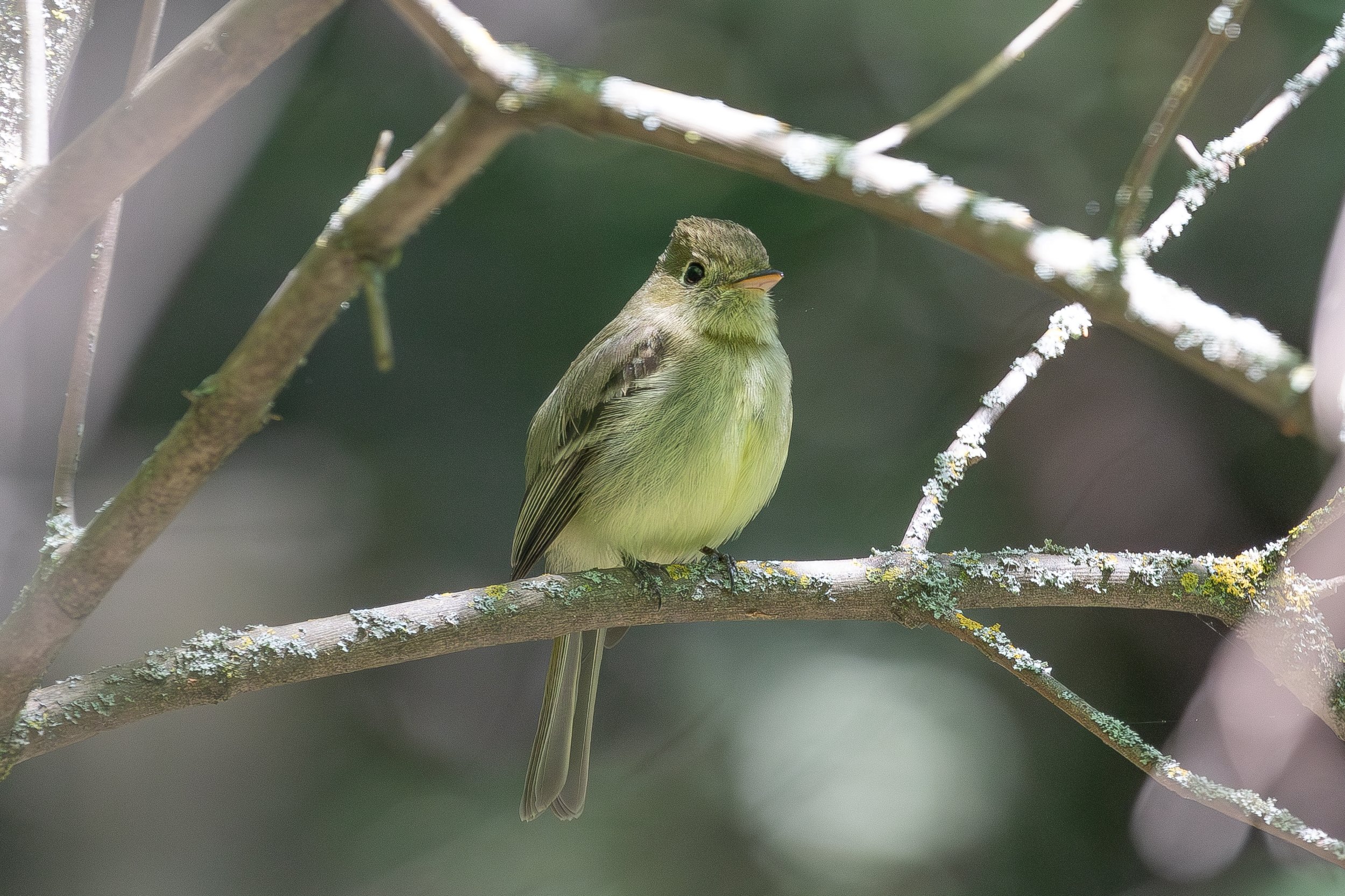
North Davis Farms Road can be excellent in migration with the trees along the road and pond providing excellent habitat.

Willowbank Ditch is a small park gem that often provides excellent birding, especially in migration.

The sewage ponds, with numerous settling ponds and levees between them, are open to the public during weekday business hours. Birders are welcome to walk the roads around the ponds but must check in at the office and sign a “Contractor and Visitor Orientation Sheet.” Weekend access is available with advance arrangement.

This evolving wetland consists of 400 acres of ponds and upland habitat of varying depths and is a continuation of Davis’s storm water and wastewater treatment process. The Wetlands are only open to the public during limited times during the year. From February 15th through August 31st, the wetlands are open seven days/week from 7 a.m. to 1 p.m. From September 1st through February 15th, the wetlands are open Mondays only from 7 a.m. to 1 p.m.
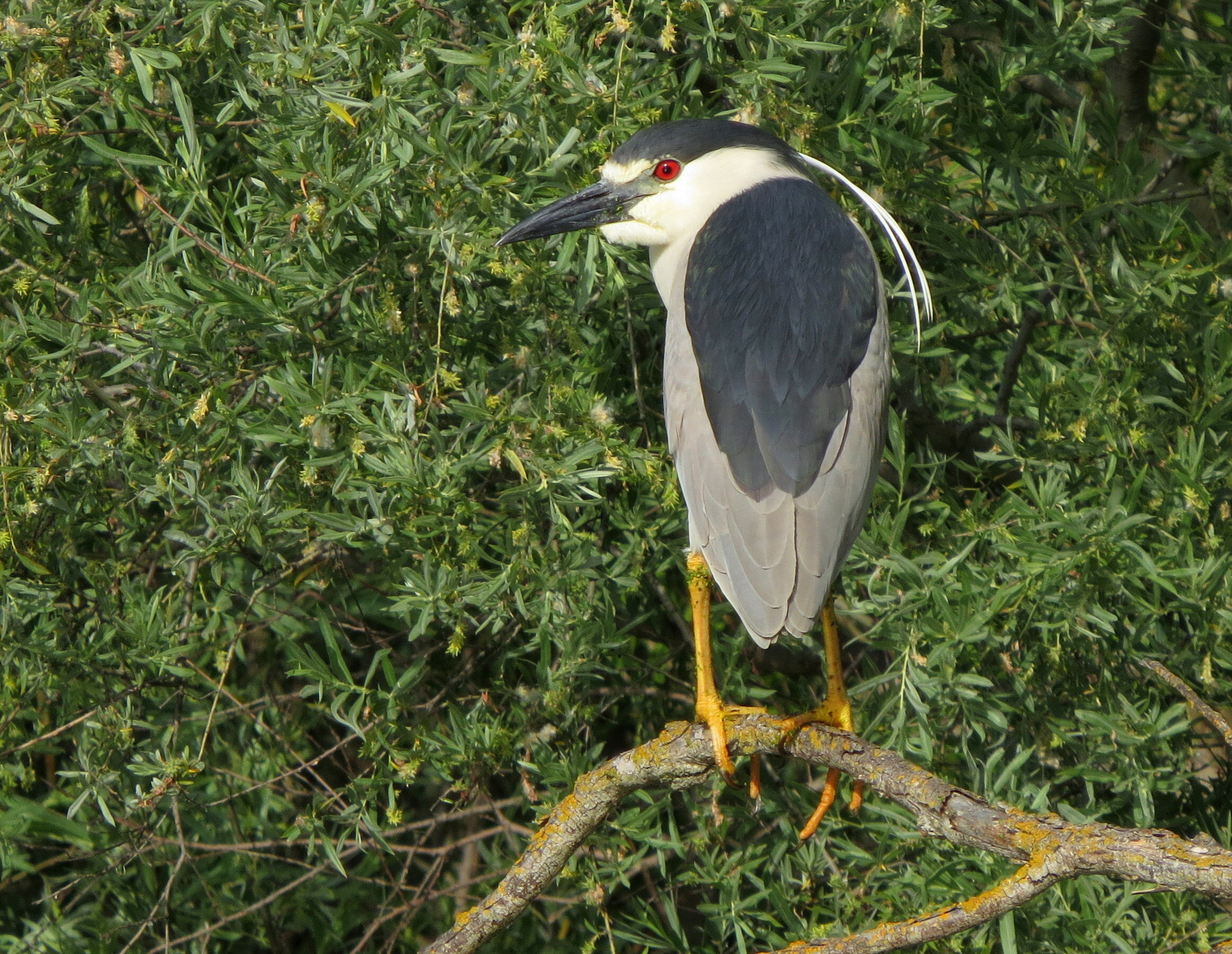
This rookery is very active in spring with Great Egrets, Snowy Egrets, Western Cattle Egrets, Black-crowned Night-Herons, and occasionally Great Blue Herons nesting in a large stand of eucalyptus trees on private land.

The treatment ponds at this location have a fine history of attracting good shorebirds, gulls, and waterfowl. The peak season for finding rare shorebirds is from July through September, depending on water levels. Good numbers of shorebirds and gulls can be found in the winter, and spring migration can be productive as well.

This area of beautiful rolling hills lies west of Interstate 5 north of Woodland, crosses I-505 (which runs from Vacaville to Dunnigan), and extends toward the Coast Range to the west. Dotted with cattle and sheep ranches as well as vineyards, field crops and hunting clubs, these hills serve as temporary home to many species of birds in the winter, particularly raptors.
Folsom Lake Area Recommended Locations
The Nimbus Dam creates a narrow reservoir below Folsom Lake on the American River. It backs up water for nearly six miles, starting just upstream from the Nimbus Hatchery and the Hazel Avenue bridge. Open water attracts many water birds and the surrounding oak woodlands add to the species diversity.

The multiple locations described in this section (Folsom Point, Mormon Island Wetlands, Morman Island Lake Access, Brown’s Ravine, Falcon Crest, Sweetwater Creek trail to Folsom Lake, and Sweetwater Trail) can be done as individual short excursions or as a full day of birding, progressing from one stop to the next.

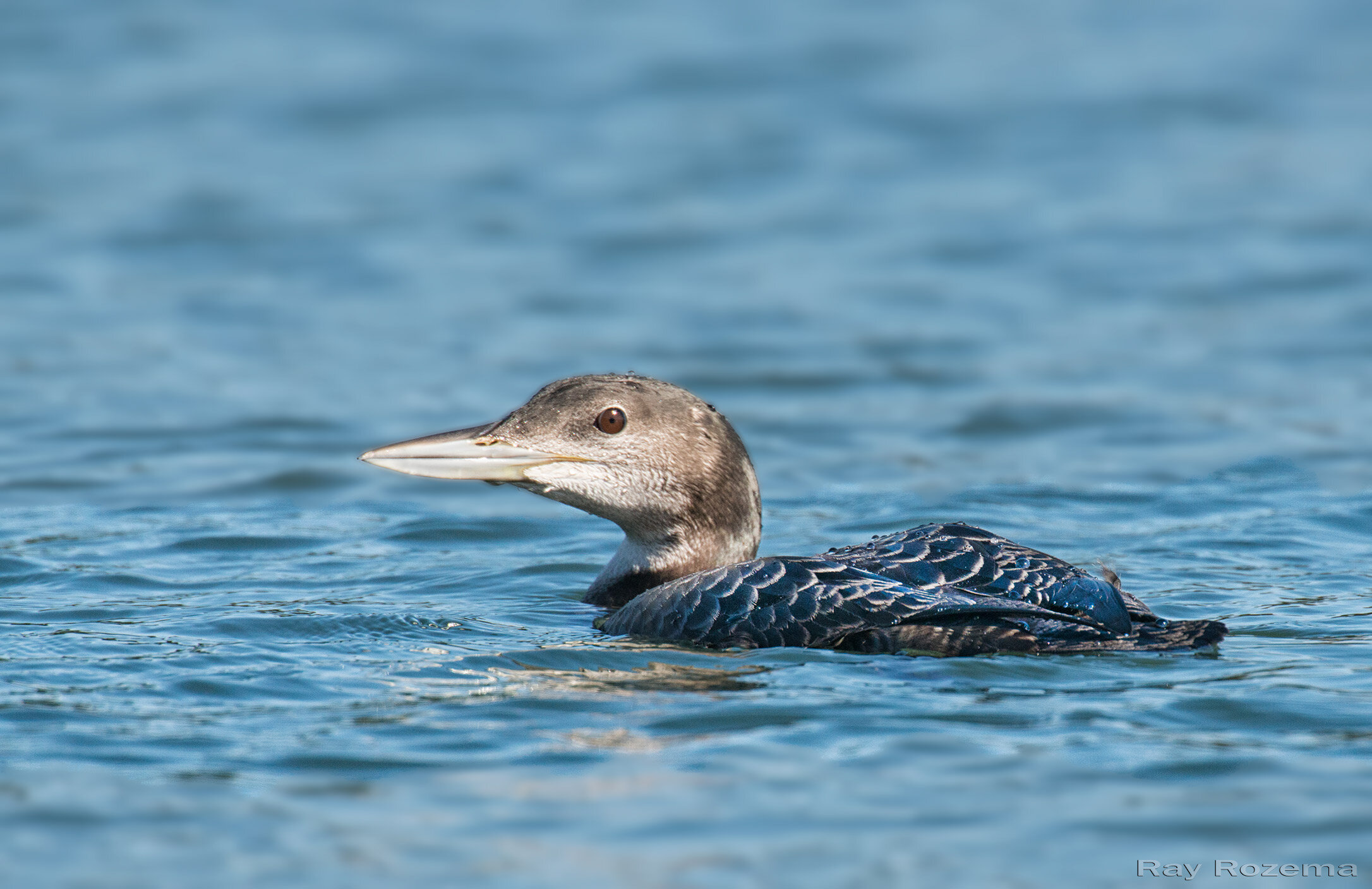
Beals Point is probably the single best location for viewing large numbers of gulls and water birds on Folsom Lake. From 3pm until dusk thousands of gulls fly in to roost on the lake. As many as 14 Common Loons have been recorded just from this site.
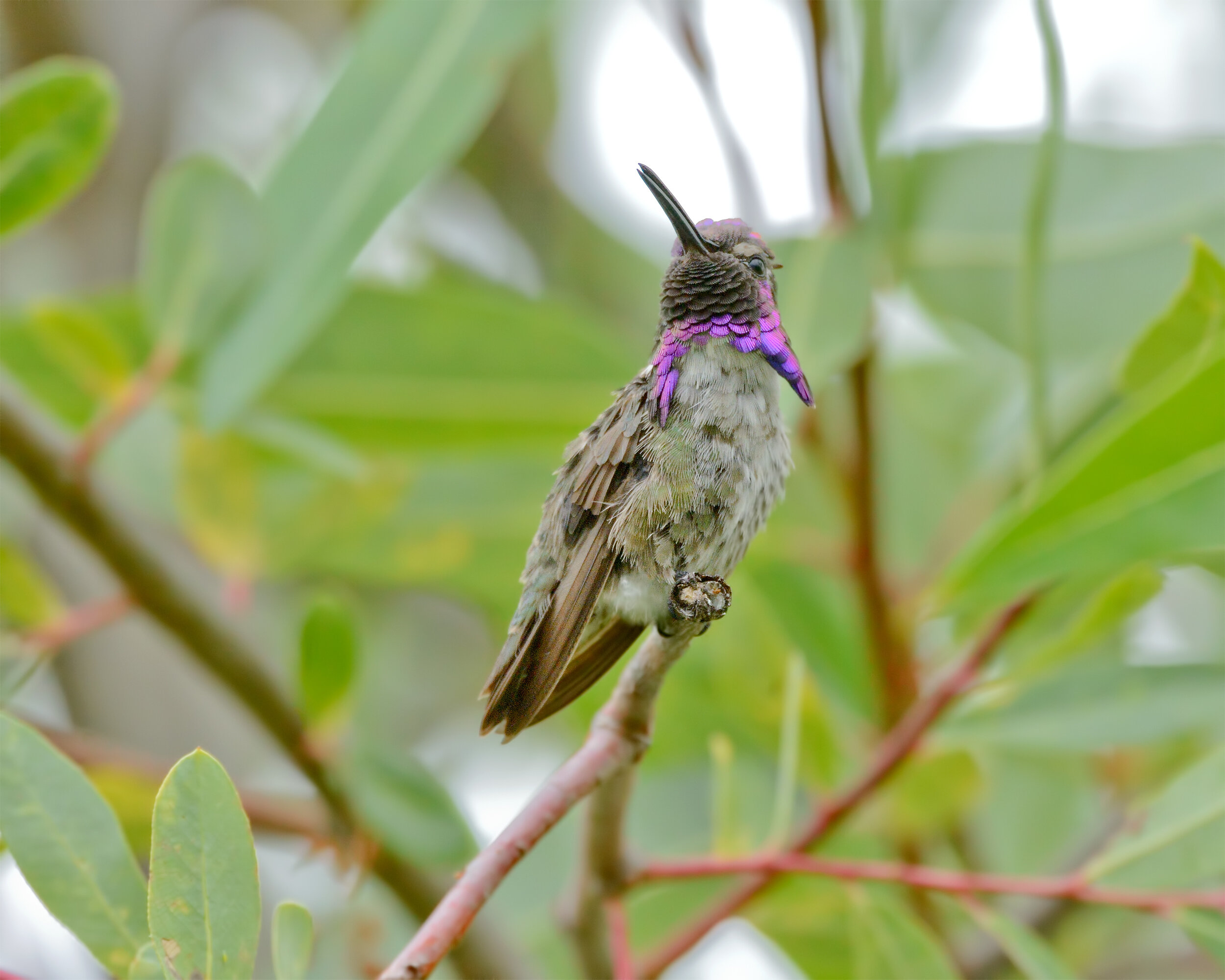
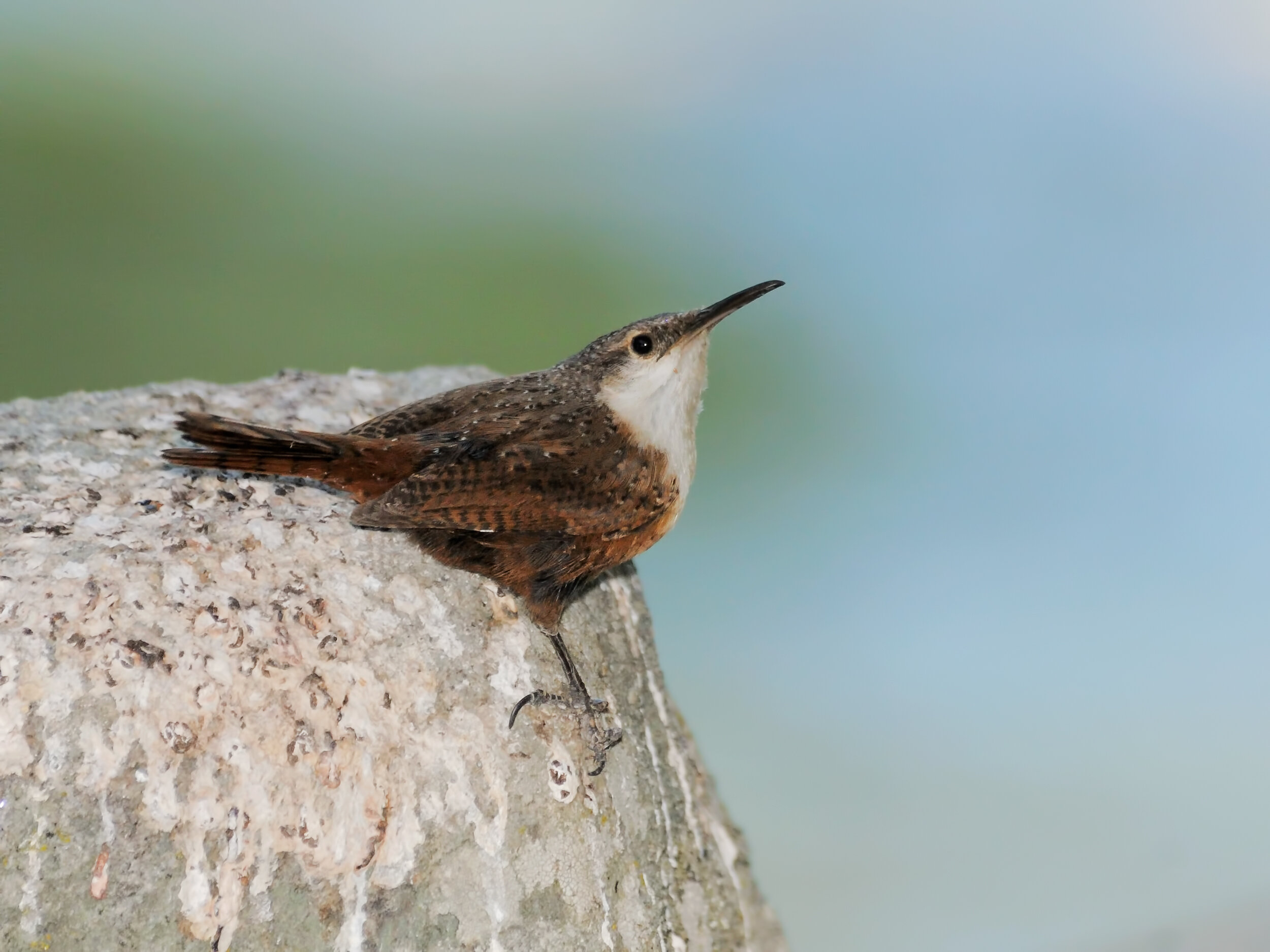
Beeks Bight offers foothill woodland habitat dominated by interior live oak, gray pine, and blue oak. The spring season provides the greatest diversity. Dozens of migrating and resident hummingbirds can be found feeding on flowers. Granite rock outcroppings prevail throughout and offer excellent habitat for Rock Wrens and Rufous-crowned Sparrows.

An afternoon hike in this area on a clear day in the middle of January will reward the birdwatcher with sunshine, green foothill grasses, early blooming manzanita and coyote bush, and over 60 species of birds. This is also the best time of year for sighting Bald Eagles and Osprey soaring along the lake’s shoreline.
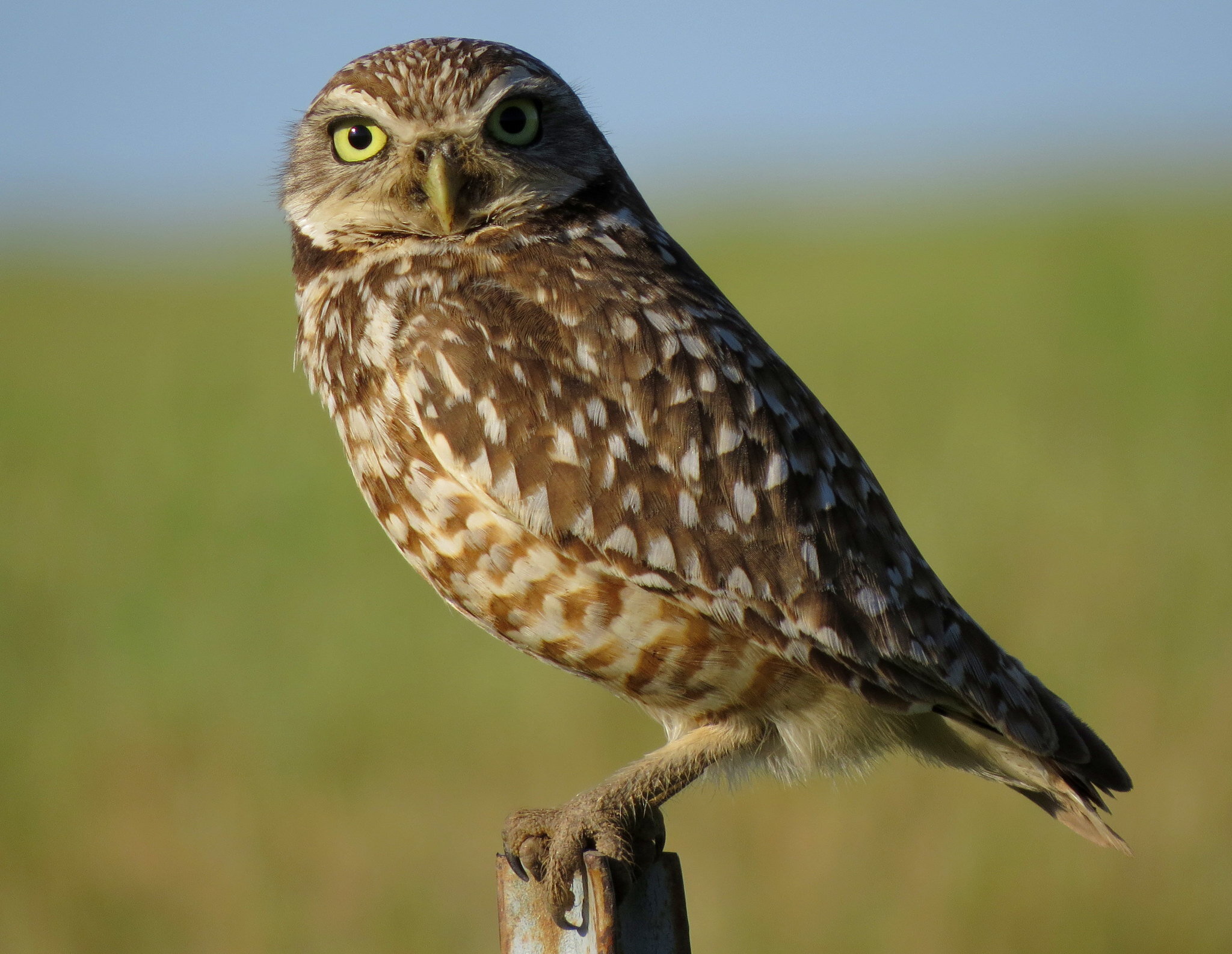
The peninsula between the north and south arm of Folsom Lake is the most remote and under birded portion of the recreation area. Possibilities include California Thrasher, Lewis’s Woodpecker and rarely Bell’s Sparrow. Burrowing Owls have been found sheltering among the rocks on a few occasions.
North of Sacramento Recommended Locations

This unassuming and unsung area holds some of the greatest raptor concentrations in the region. The rice fields can host immense flocks of Snow and Greater White-fronted geese, and Tundra Swan. When water conditions are right, the shorebirds can be very good.

This is a great spring trip. Following the suggested route will result in a wide variety of habitats, including grasslands, farmlands, riparian corridors and open water, and will provide some of the best spring birding in the Sacramento Valley. This trip can be broken into a number of smaller excursions or taken on as a full day of birding.

Ferrari Ranch Ponds are a series of smaller ponds, bordered by a paved bike trail, located on the west side of Hwy 65 in Lincoln. Common Gallinule are, in fact, common in these ponds along with egrets and herons, swallows in the summer, and a variety of waterfowl in the winter.
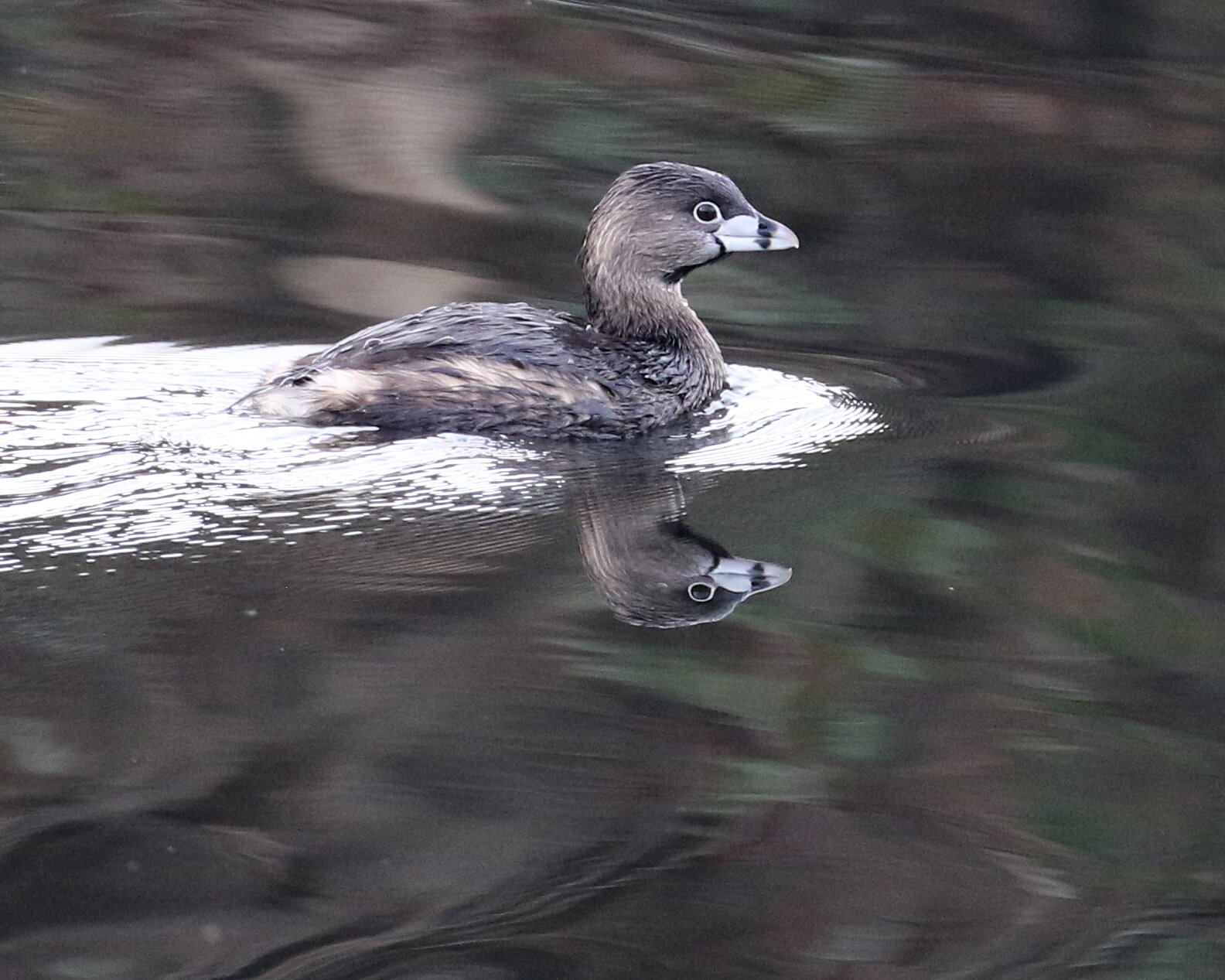
A walk through the sanctuary is a delight in any season. Over 200 species of birds have been recorded. In summer, Swainson’s Hawk soar overhead. Great Horned Owl is common here. Wood Duck, herons, egrets, and Pied-billed Grebe can be found year-round. Springtime brings a variety of warblers as well as nesting Western Bluebird, Bullock’s Oriole, and Black-headed Grosbeak. In winter, sparrows, towhees, kinglet, Yellow-rumped Warbler, and Northern Flicker are among the common birds.
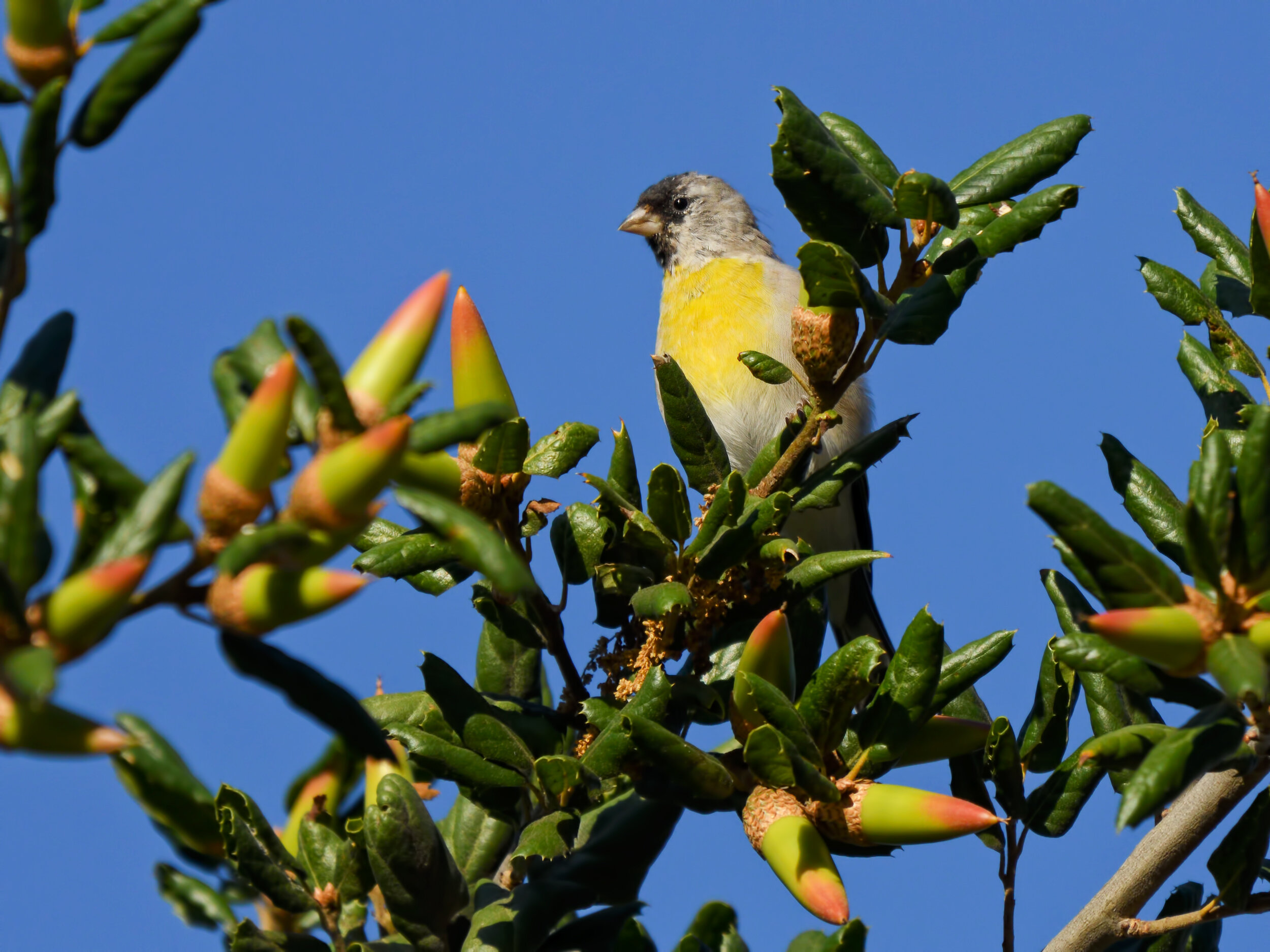
The area traversed by Sand Creek Road is a classic California landscape in remote Colusa County. This is the best site locally for Greater Roadrunners and among the best for Lawrence’s Goldfinches. California Thrashers and Bell’s Sparrows are commonly heard and often seen in spring, with Mountain Quail also often heard in the spring.
Greater Roadrunner, Lawrence’s Goldfinch, California Thrasher, and Bell’s Sparrow may be heard and even seen in spring. Listen here as well for the Mountain Quail calling in the spring.
Approximately 1 hour north of Sacramento, the Colusa NWR is a great location to view large waterfowl concentrations, especially during December and January.
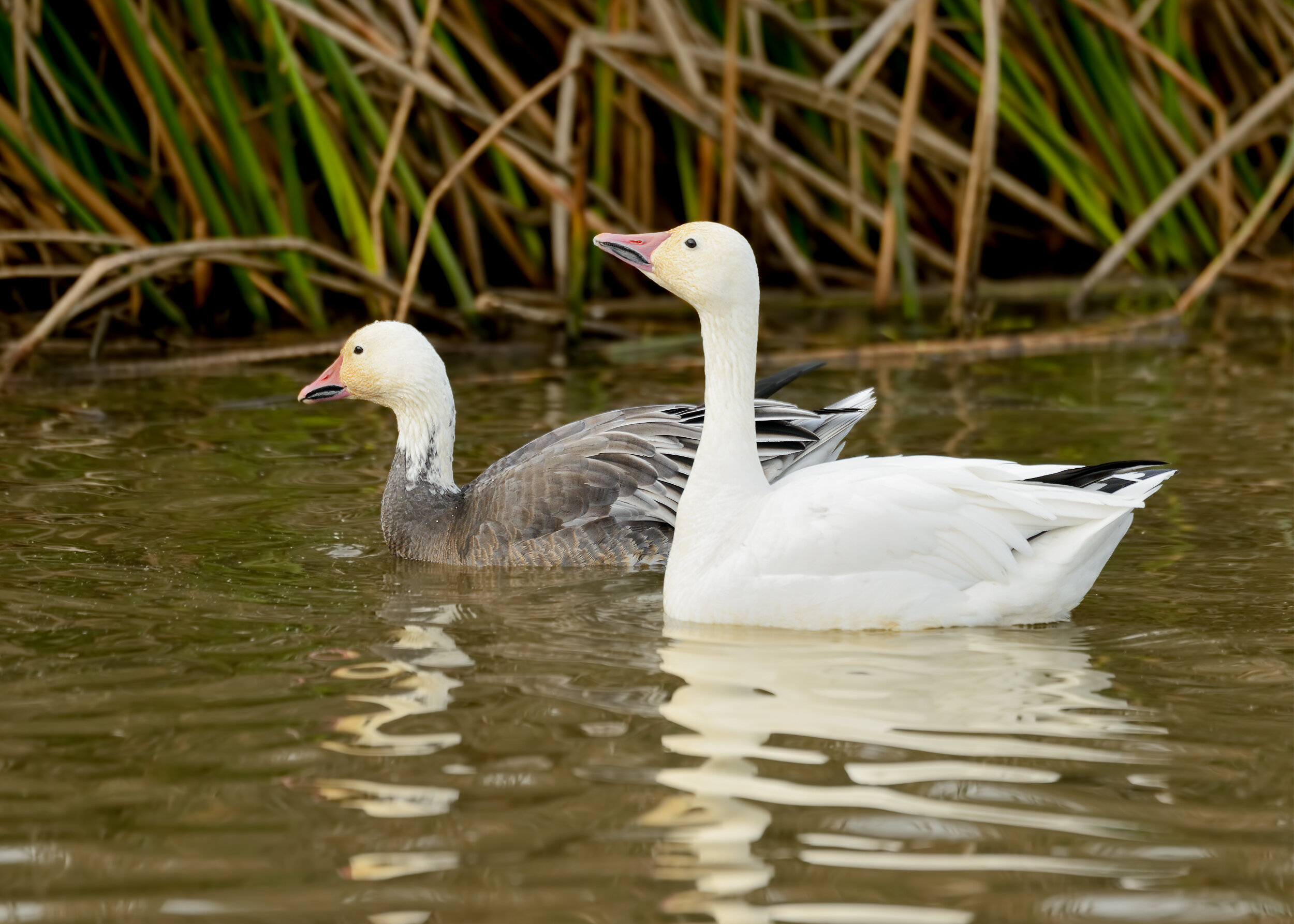
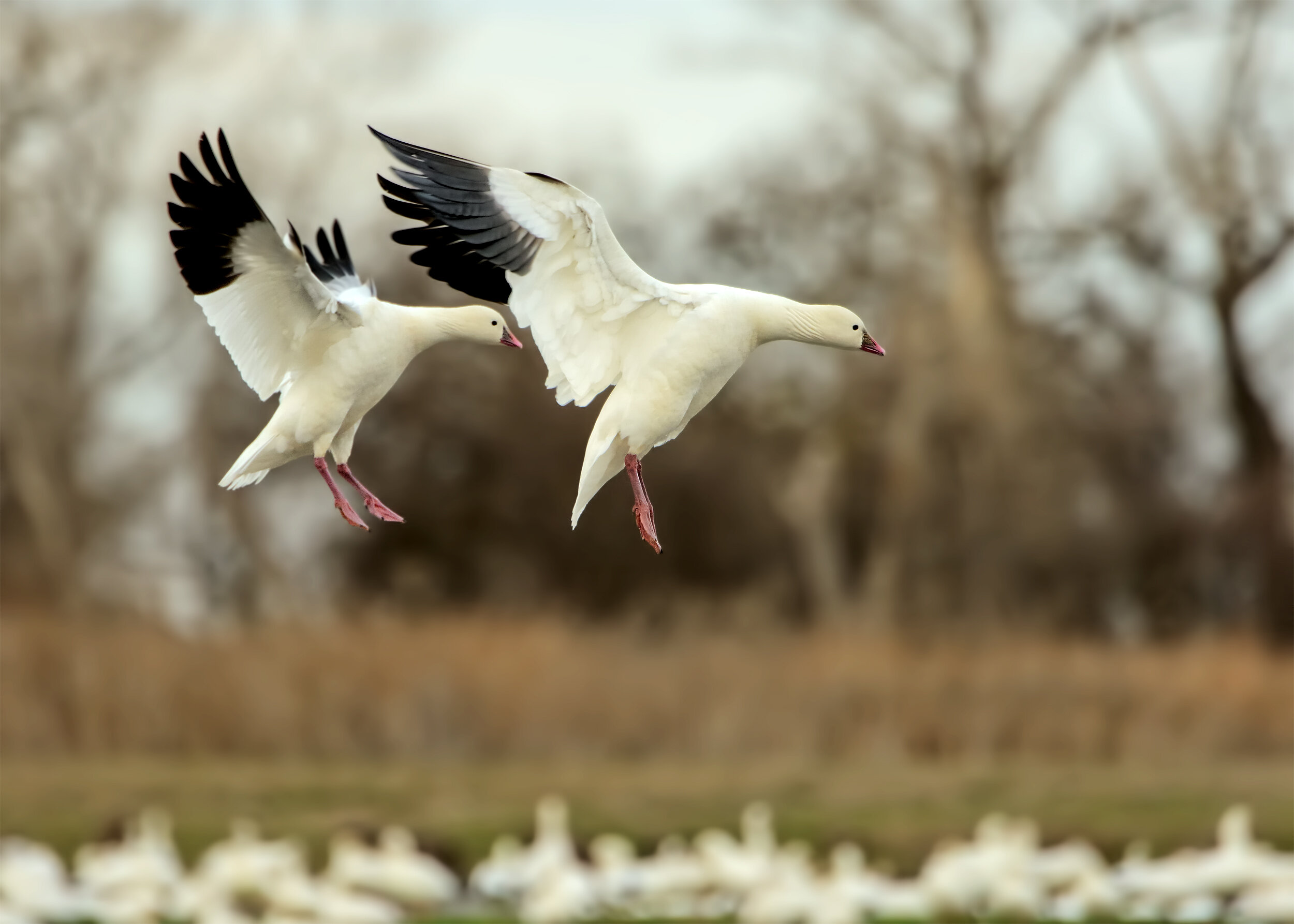
In winter, you will often see the sky at Gray Lodge filled with geese and ducks. Snow Geese, as well as the greatest concentration of Ross's Geese in the United States, are found here along with Greater White-fronted Geese and Canada Geese.
San Joaquin and Solano Counties Recommended Locations
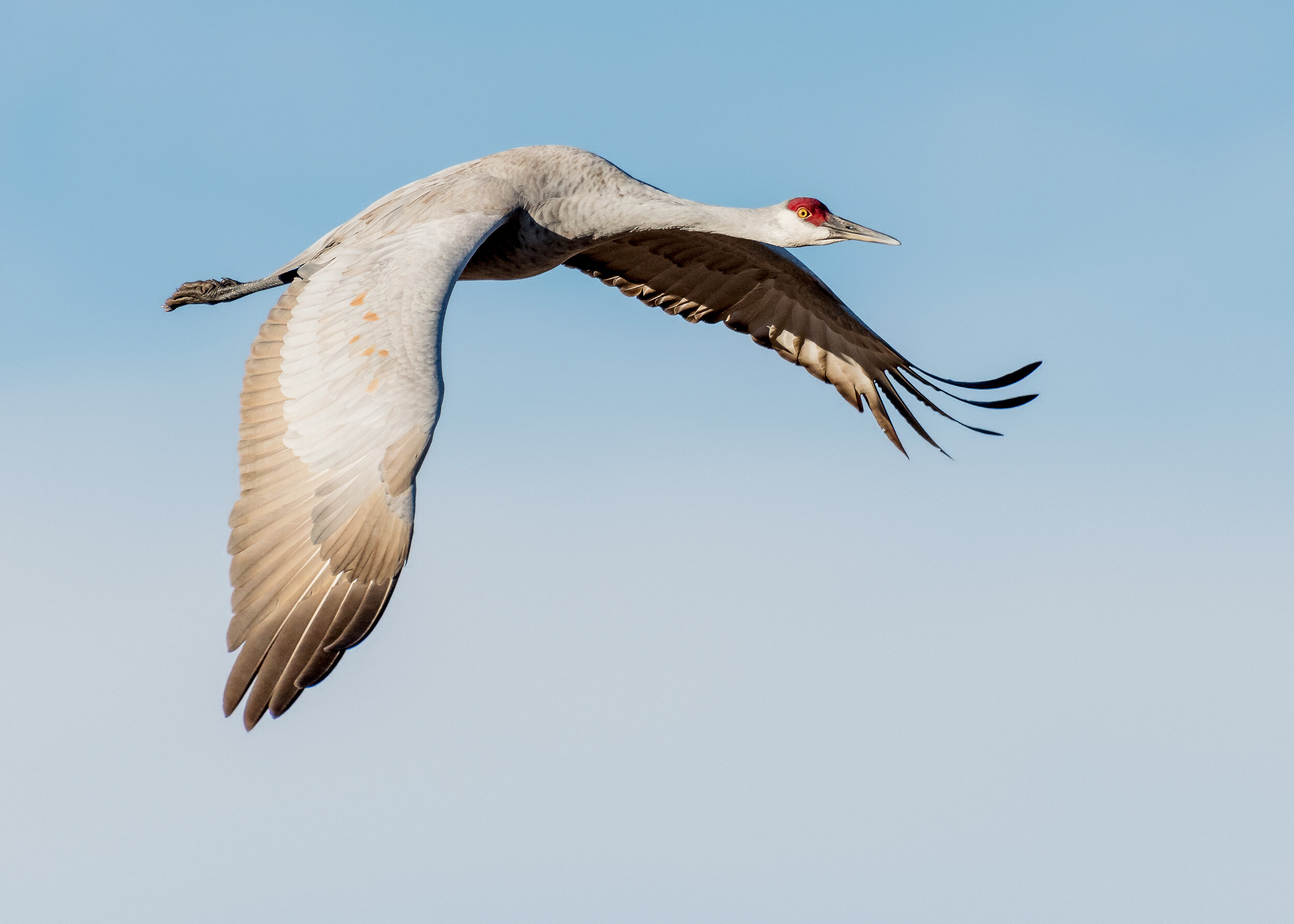
This is one of the most accessible areas to observe large numbers of Sandhill Cranes. From October to March, many fields in this area are flooded and filled with Sandhill Cranes, wintering shorebirds, and waterfowl.
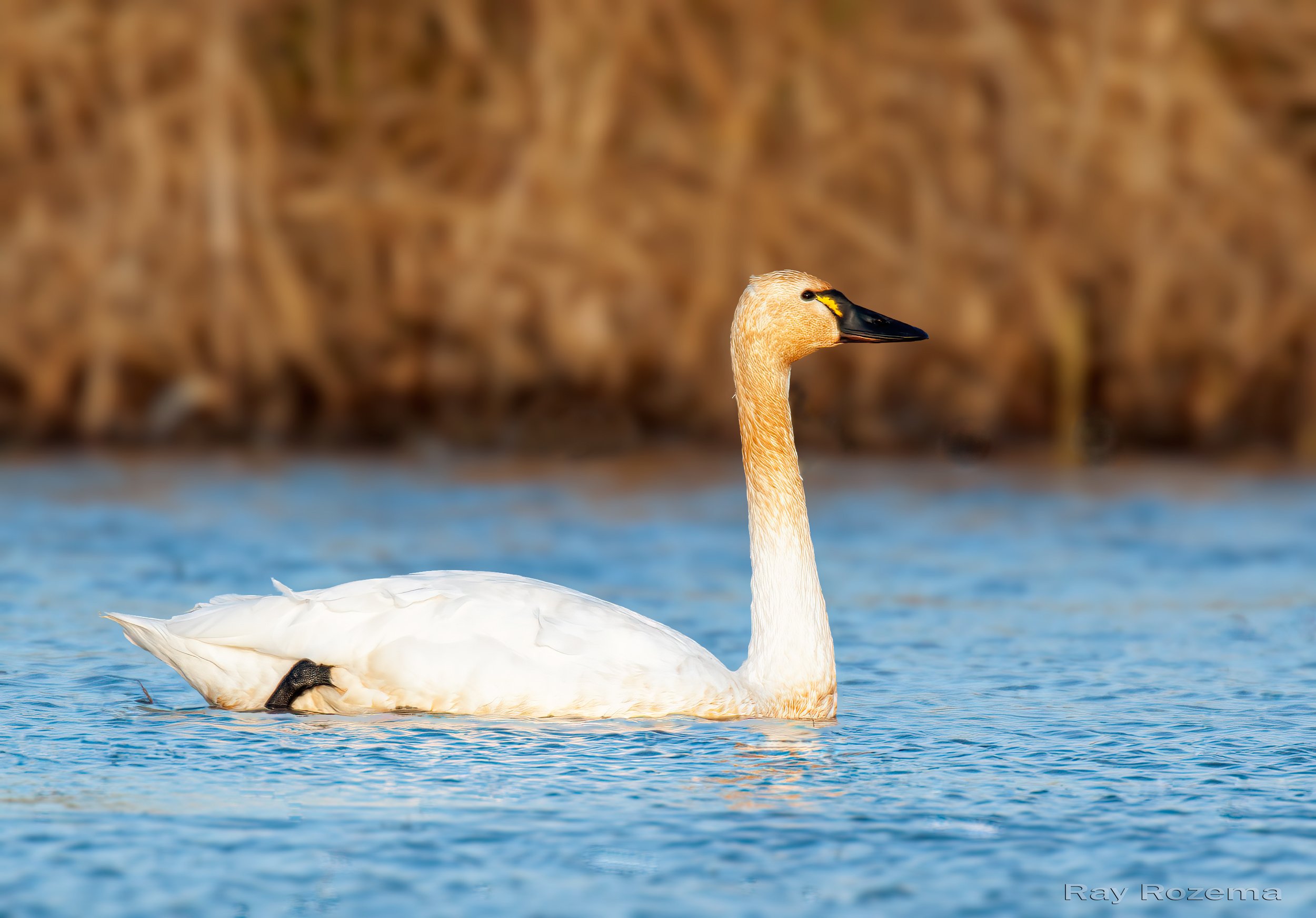
Staten Island is an excellent site for viewing large numbers of Sandhill Cranes, geese, Tundra Swans, other waterfowl, and shorebirds.

During summer months, you may find Swainson's Hawk, Western Wood Pewee, Ash-throated Flycatcher, Northern Rough-winged Swallow, Black-headed Grosbeak, Lazuli Bunting and Bullock's Oriole. Birding this area in winter may turn up Red-breasted Sapsucker, Hutton's Vireo, Red-breasted Nuthatch, Brown Creeper, Pacific Wren, and Golden-crowned Kinglet.

Lodi Lake Park is truly one of the premier birding areas in San Joaquin County. This reputation is well deserved as over 200 species (over 50% of the county's total bird list) have been observed within the boundaries of this 125-acre jewel along the Mokelumne River in north Lodi.
This magnet for birds on the Solano-Yolo County line is formed by a small diversion dam on Putah Creek several miles east of Lake Berryessa and the Vaca Mountains, the easternmost ridge of the North Coast Ranges. For the best birding, visit the area early in the morning; fall and winter are most productive, due to the arrival of winter visitors.

Ferruginous Hawks, Rough-legged Hawks, Northern Harriers, White-tailed Kites and Red-tailed Hawks are quite reliable during the winter, although numbers vary year to year. Bald and Golden Eagles are occasionally found especially around the large power lines also frequented by Prairie Falcons.

This park just off of Interstate 80 in Vacaville contains nearly 500 acres. It provides excellent opportunities to find water birds and land birds. The reservoir is always worth checking, and it once produced a Long-tailed Jaeger. The trees can be very good for migrants, and a Northern Waterthrush was found here.
Foothills and Sierra Nevada Recommended Locations

This destination is a narrow hiking trail bordered closely by dense streamside habitat and containing a wide variety of riparian species year-round.

Although just one mile each way, this riparian habitat supports a wide variety of species. Most of the trail runs between Bucks Creek and the Silva Valley Parkway.

The Bureau of Land Management (BLM) manages Cronan Ranch, originally a working cattle ranch of approximately 1,452 acres. This beautiful area contains 12 miles of dirt roads and trails ambling through a variety of terrain from oak woodland and rolling hills to shaded, riparian river access.
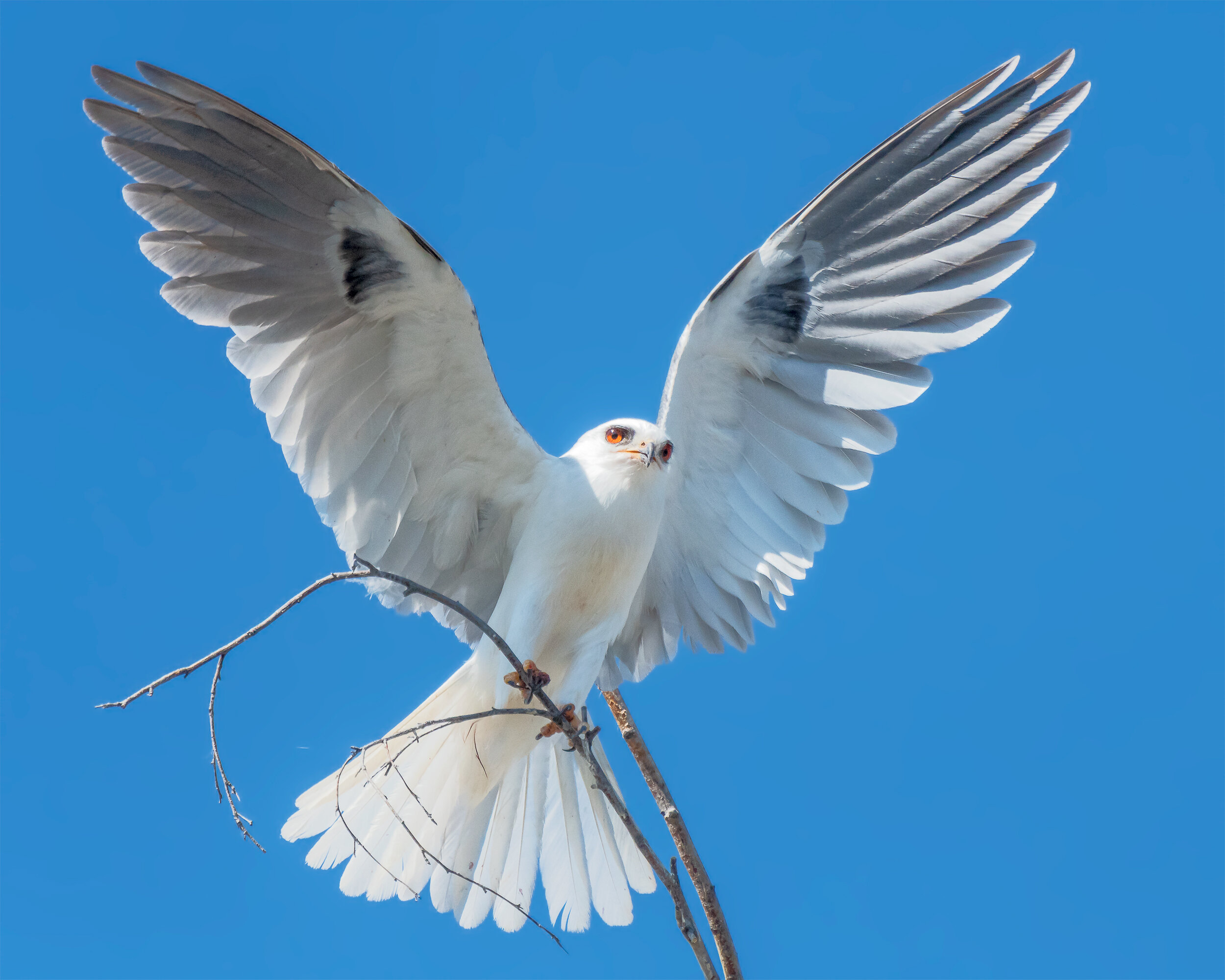
This is a particularly good place to look for nesting raptors such as Great Horned Owls, American Kestrels, Red-shouldered Hawks, and White-tailed Kites. Within the unit, several excellent trails follow the South Fork of the American River and meander through shady oak woodland and occasionally, open rolling grasslands.

This nature area features a loop trail about a mile long which goes from the parking lot to the South Fork of the American River and back to the parking area. It is fairly level with little elevation change and is thus excellent for children.

This is one of four excellent birding locations in and near Coloma: the Cronan Ranch Regional Trails Park, the Greenwood Creek River Access, the Dave Moore Nature Area, and the Marshall Gold Discovery Historic State Park.
The striking canyons of the North and Middle Forks of the American River provide a backdrop to several good birding and hiking areas just outside of Auburn including Quarry Ridge, the Olmstead Loop Trail, the Stagecoach Trail, Lake Clementine, and Driver’s Flat.

Mosquito Ridge Road was severely impacted during the 2022 Mosquito Fire and sustained additional damage during the record winter storms that followed. The road was reopened in May 2024, but please be aware of the inherent risks of traveling on forest roads and through post-fire areas.
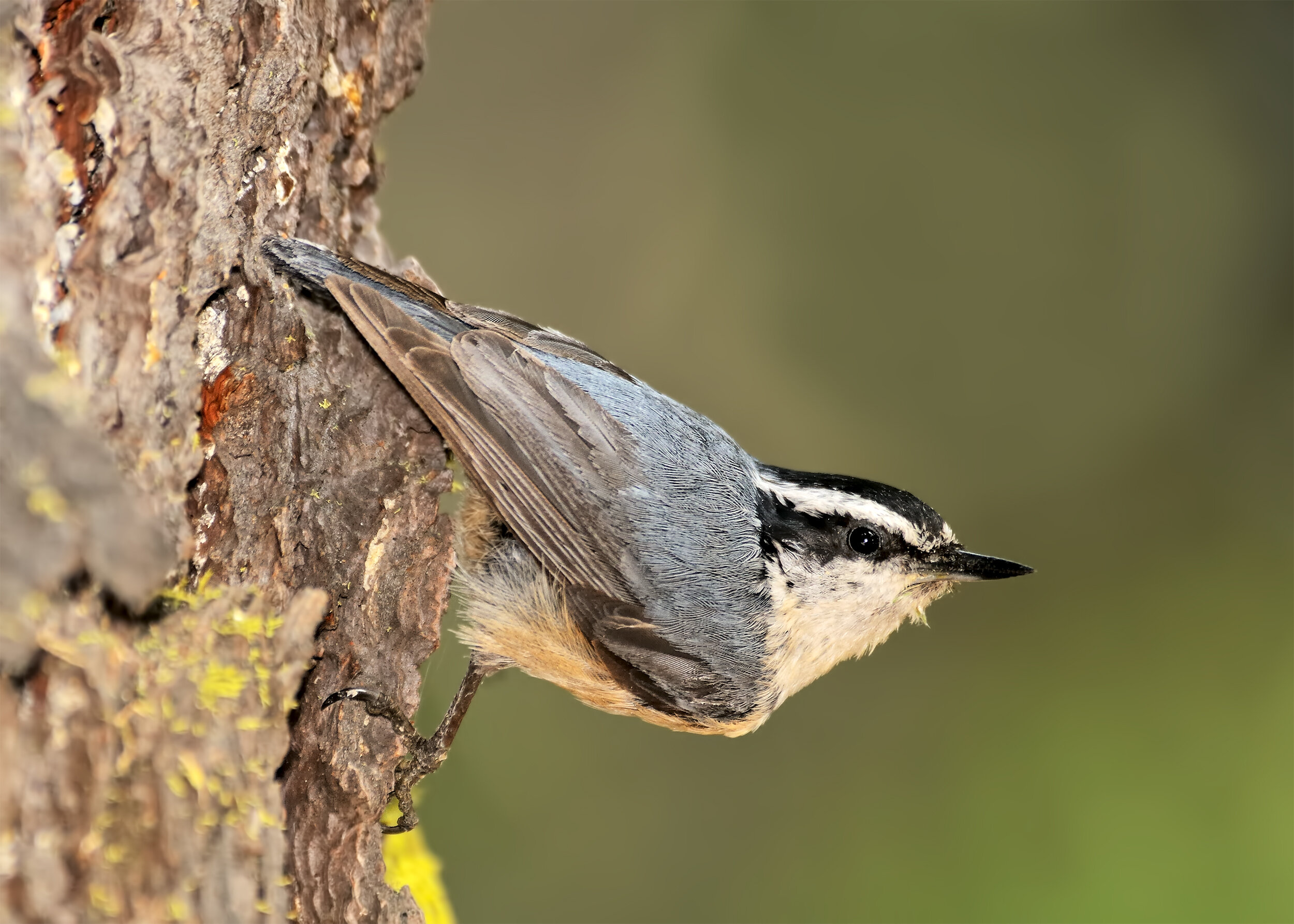
Unfortunately, this area was burned in the Caldor fire in Aug-Sept 2021. The area is no longer closed to the public, but is still undergoing temporary closures and repairs.

This 30 mile driving trip takes you through one of the best montane birding areas within easy driving distance of Sacramento. The area ranges in elevation from approximately 3,500 feet to over 6,000 feet and offers a number of varied habitats for many species of birds.

Located at 5,000 feet near Emigrant Pass, Sierra Discovery Trail is a one mile partially paved loop trail meandering through an old growth conifer forest. Bear River also runs adjacent to the trail providing an opportunity to see an American Dipper.